New Year's Resolutions for Seniors

As we embark on the new year, we must reflect on the lessons we've learned and express gratitude for the things we often take for granted. From cherished relationships to good health, there is much to be thankful for as we embark on a new chapter of our lives. What better way to honor this gratitude than by setting meaningful New Year's resolutions, prioritizing our well-being, and enhancing our quality of life? In this comprehensive guide to senior living, we will explore seven positive ways to refocus our energy and embrace the joys of aging.

Cultivate a Positive Mindset

Research has shown that maintaining a positive mindset can profoundly affect our overall health and well-being. Positivity is associated with a lower risk of memory loss, faster recovery from illness or injury, reduced chances of chronic disease, decreased feelings of loneliness and isolation, and a greater likelihood of seeking preventative care. Embracing a positive outlook doesn't mean ignoring difficult emotions or challenges; instead, it involves stressing less about things beyond our control and focusing on the good in life. Incorporate positive thinking exercises into your daily routine, such as creating a gratitude list, practicing mindful breathing, and treating yourself with the same kindness and compassion you would extend to a friend.

Prioritize Daily Exercise

Staying physically active is the key to healthy aging and a potential fountain of youth. Numerous studies have demonstrated the positive effects of exercise on aging, showing that incorporating activities like walking, jogging, or cycling into our routine can significantly improve physiological characteristics such as blood pressure, resting heart rate, maximum pumping capacity, and muscle mass. Aim to dedicate at least 10 minutes daily to exercise, whether swimming, walking, or practicing yoga. Even this minimal commitment can make a remarkable difference in our health, happiness, and longevity.

Nourish Your Body with Healthy Choices

As we age, our nutritional needs change. Consuming fewer calories is essential while ensuring we get all the necessary nutrients. Consulting with your healthcare provider can help you make informed food choices, but there are general guidelines to follow. Strive to eat at least five servings of fruits and vegetables daily, opting for various colors to maximize nutritional benefits. Include fiber-rich whole grains, lean meats, and heart-healthy fats in your diet. Replace saturated fats with healthier alternatives like olive or avocado oil. Enhance the flavor of your meals with herbs and spices instead of relying on excessive salt or unhealthy fats.

Connect with Your Grandchildren

Spending quality time with our grandchildren has positively impacted our physical and mental health. Research suggests that elderly individuals who regularly interact with their grandchildren live longer and experience better overall well-being. Studies have found that grandparents involved in their grandchildren's lives have a higher chance of living five years beyond their non-involved counterparts. Furthermore, regular grandparent-grandchild bonding has been linked to improved cognitive function. Make it a priority to play, read, and create cherished memories with your grandchildren. These experiences will bring joy and contribute to your overall well-being.

Engage Your Mind with Stimulating Activities

Regularly challenging our brains is crucial for maintaining mental sharpness as we age. It also helps reduce the risk of memory loss and cognitive decline. There are many enjoyable ways to keep our minds active, such as reading, solving puzzles or crosswords, and joining book clubs or discussion groups. Consider taking a course at your local community college, as some institutions offer free classes for adults 65 and older. These activities provide mental stimulation and opportunities for social interaction, fostering a sense of connection and engagement.

Foster Social Connections

Maintaining an active social life is vital for our overall well-being. Studies have consistently shown that socially active older adults experience better cognitive function, lower risks of disability and depression, and overall better physical and mental health outcomes. Utilize social media platforms to reconnect with old friends and make new connections. Join local senior organizations or consider moving to a senior living community with a vibrant social environment. These communities provide opportunities for socializing, participating in activities, and developing new friendships with like-minded individuals.

As we set our goals for the new year, let us intentionally prioritize our well-being and make up for lost time. By incorporating these seven resolutions into our lives, we can embrace the joys of senior living with a positive mindset, physical vitality, and a robust support system. Remember, this chapter of life is meant to be cherished, celebrated, and filled with fulfillment. Here's to a year of vibrant senior living and the pursuit of happiness!

"Aging is not lost youth but a new stage of opportunity and strength."
- Betty Friedan


Pines Village Retirement Communities, Inc. is a nonprofit senior living community in Valparaiso, Indiana, with two campuses: Pines Village and Meridian Woods. The Pines Village campus offers pet-friendly independent living apartments with the option to add assistive services à la carte or in packages. The Meridian Woods campus consists of maintenance-free paired homes and the Meridian Woods Community Center, which hosts events and acts as a meeting space for residents and local nonprofits. 

At Pines Village, we celebrate life by enriching the lives of older adults. We pride ourselves on our culture, which is driven by a passion for serving the residents, visitors, and staff of Pines Village as well as the greater Valparaiso community. Explore our senior apartment availability, learn more about our assisted living options, or contact us with any questions today!

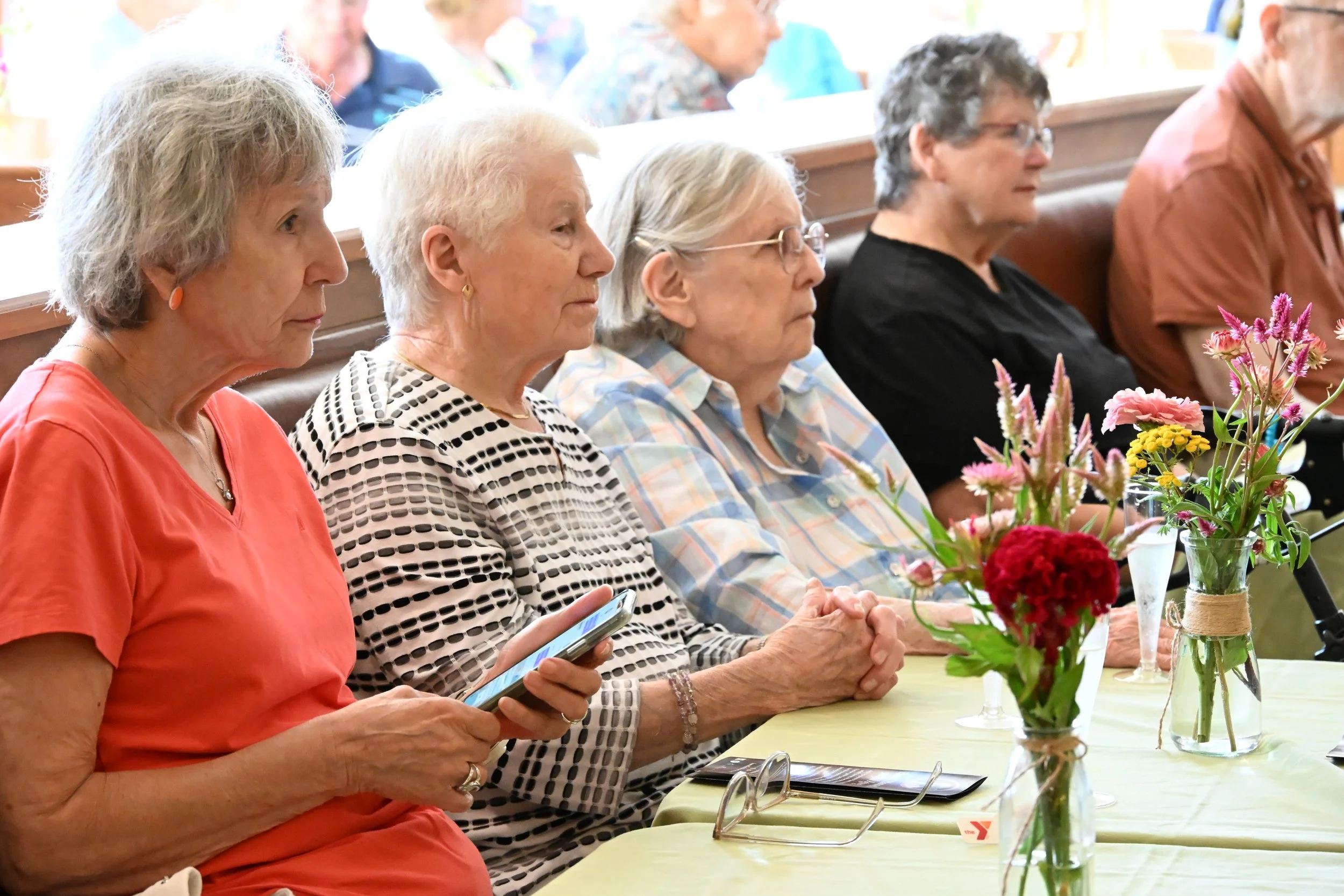
Mental Health & the Holidays for Seniors

The holidays can be stressful for almost every age group, and each age group experiences holiday stressors differently. Children feel anxious about stressed-out parents. Older students worry about exams. Young professionals juggle overbooked work, social, and family calendars. Parents may fret about finances, gift lists, in-laws, logistical arrangements, and more. Although they often have fewer responsibilities overall, older adults ages fifty-five and older can suffer during the holidays too. Here’s why mental health in older adults becomes more important during these seasons.

Seniors and the Holidays

Depending on their individual situation, the elderly can experience anxiety, depression, or loneliness at this time of year for a number of reasons. Senior mental health issues aren’t necessarily limited to the holidays, but a little effort can go a long way during this particularly emotional time of year. Some common factors in senior mental health are:

  • Missing friends or family members. Friends or family members associated with memories of happy holidays past may have passed or moved away, and those they leave behind—particularly the elderly—may feel that special occasions will never be as joyful again without them.

  • Changes in holiday activities or traditions. As family and friends grow and get older, their needs, schedules, and capacities change. This may mean that activities or traditions that used to “make” a holiday for seniors have been altered or discontinued.

  • Feelings of general isolation or abandonment. As their younger family members’ lives get busier and more demanding in general during the holidays, seniors and the elderly can feel forgotten. These feelings may be more intense if an individual lives alone, has lost a spouse, or suffers from physical or mental illness.

Holiday Stress Management Tips for Seniors

Fortunately, there are ways both seniors and their loved ones can prevent or lessen anxiety and depression during the holiday season, including:

  • Be a diligent communicator. In order to make sure that your older loved ones feel valued and included, check in with them early in the season to find out how they’re feeling about it, what their expectations are, and how they’d like to prepare or celebrate. Continue visiting, calling, or video chatting with them at least once per week throughout the season to let them know they are in your thoughts and that the holidays aren’t complete without them. Plan some family activities that include them.

  • Encourage them to be socially active or engage in a hobby. Depending on how socially active they already are, it might be a good idea to encourage your senior family member to join a church or other local community organizations. Engaging in hobbies is also a good option for older adults, especially if anyone in the family wants to learn from them or would like a handmade product, such as knitted items. If your loved one seems unsure, do a little research and make suggestions tailored to their interests. 

    Staying busy and connected to their communities can help older adults from feeling depressed or anxious—but it may be a good idea to take this step well before the holiday season begins. This way seniors don’t feel as though new social activity is intended as an emotional stopgap or substitute for quality time with family. It will also feel more natural for older loved ones to stay socially engaged throughout the year rather than only during the holidays. 

  • Identify other ways to improve older adult mental health. Ask your loved one about their preferred ways to cope with complex emotions during the holidays. Consider things that have brought them comfort in the past. Perhaps they’d like to watch favorite movies with family or friends, assist in making treasured holiday recipes, craft ornaments, or receive new family photos or drawings from grandchildren. Keep seniors’ personalities and preferences in mind and incorporate those in plans as much as possible.

  • Consider and advocate for physical health. Determine when your loved one last had a physical checkup: sometimes a vitamin deficiency or other illness can affect mental health in older adults (as well as everyone else). Find out if they can benefit from a physician’s care prior to the holiday season. Encourage them to eat healthily, take walks, and get plenty of sleep to keep all systems functioning as optimally as possible.

Benefits of Senior Living and Socialization with Peers

You may not have thought of a retirement community as a factor in senior mental health. However, if your older family member currently lives alone, it’s worth considering a move to a community where he or she can connect more easily with others in the same age group. In addition to being safer and having less upkeep to worry about, adults in senior retirement communities benefit from regularly scheduled social activities built into daily life on campus. This can improve their mental health all year round, but particularly during the holidays.

If you or your senior loved one is a Valparaiso, Indiana resident ready to make the move to a senior living community, consider choosing Pines Village Retirement Communities. At Pines Village, we celebrate life by enriching the lives of older adults. We pride ourselves on our culture, which is driven by a passion for serving the residents, visitors, and staff of Pines Village as well as the greater Valparaiso community. Explore our senior apartment availability, learn more about our assisted living options, or contact us with any questions today!

Senior Living on Your Terms: Why Moving Earlier Helps You Thrive

As we age, many of us believe we’ll stay in our homes “as long as possible,” doing chores, maintaining the yard, paying for repairs, and getting help from family and friends with our health needs. However, waiting until a crisis forces a move can be costly—both financially and emotionally. Making the decision earlier, while you still have options, often leads to a richer, safer, and more satisfying life. Here’s why.

More Control, Better Choices

Moving early gives you the advantage of time to find a senior living community that truly matches your values, pace, and lifestyle, not just what’s available in an emergency. When health, mobility, or safety concerns increase, options become limited. Waiting often means accepting what you must have rather than what you want.

Health, Safety & Well‐being Benefits

Preventive care and support are more accessible in senior living communities. These include on-site wellness programs, regular check-ins, meals prepared with nutrition in mind, fitness offerings, and better access to medical assistance. These advantages help maintain health and delay the onset of decline. For example, one recent study by NORC at the University of Chicago found that people who live in senior housing score better on many measures of wellness compared to those living in the general community. (nic.org)

Fewer falls, injuries, and emergency hospitalizations. When you live somewhere designed for seniors, with fewer trip hazards, more supportive infrastructure, and staff to help, risks go down.

Emotional and mental health. Social isolation is one of the biggest threats to older adults. Moving to a community with built-in social supports, programmed activities, and opportunities for friendship can reduce loneliness, boost mood, and even improve cognitive health. (leisurecare.com)

Stability & Predictability (Including Cost)

Predictable monthly costs. Senior living often combines multiple services—such as maintenance, meals, utilities, and some health support—into one fixed fee. That can make budgeting simpler than managing house payments, home repairs, “surprise” medical bills, or paying for help at home when needed.

Reduced hidden costs of aging in place. Staying in one’s home longer means paying more for things like home modifications (ramps, walk-in showers, railings), contractors, yard care, plumbing, heating, and other expenses, which can add up. Additionally, hiring caregivers, transportation, and meals if cooking becomes more difficult—all these costs increase. In some cases, home modifications alone can cost thousands of dollars. (fountainviewlogansquare.com)

Avoiding crisis costs. Waiting until health emergencies happen (falls, hospitalizations, urgent care) often means more expensive, more drastic changes, less room to negotiate contracts, higher stress, and less favorable financial terms.

Better Quality of Life — More Than Just Basics

Freedom from maintenance and chores. Yard work, snow removal, big home repairs—these can become physically difficult, costly, and stressful. Senior living frees you from those burdens, allowing you more time to enjoy the things you love.

More time to enjoy amenities and relationships. If you move earlier, you have more years to enjoy the amenities, build friendships, participate in programs, travel, volunteer, and live life rather than constantly responding to daily tasks.

Flexibility for future care levels. Many senior living communities offer multiple levels of care (independent living, assisted living, memory care). Moving earlier gives the opportunity to stay in one community even as needs change, rather than having to move again.

Emotional & Family Peace of Mind

Reduces worry for loved ones. Families often feel stressed when an aging loved one struggles at home—worries about safety, sudden medical issues, and caregiving responsibilities. Moving early can ease many of those concerns.

Sense of community & belonging. Moving earlier lets you settle in, make friends, and contribute to community life. It’s harder to build strong social bonds if you arrive under duress or in decline.

When “Too Late” Feels Terrible

When waiting becomes necessary, you risk:

  • Fewer quality options: fewer apartments available, more waiting, more compromises on location or services.

  • Moving under duress: in crisis mode, decisions are rushed, emotional, and may not align with preferences.

  • Greater disruption: you might have to sell the home quickly, downsize with less time, and struggle with logistics.

What Should You Do If You’re Considering Moving Sooner

  • Start exploring the senior living communities in your area now. Take tours. Ask current residents what they like about the community they live in.

  • Estimate full costs today vs projected future costs: include not just rent or fees but healthcare, home upkeep, modifications, transportation, etc.

  • Think about quality of life: which services or amenities are most important to you? Independence? Meals? Social life? Activities? Safety?

  • Talk with family or trusted advisors about your options. Sometimes clarity comes from an honest conversation.

Conclusion

It’s natural to want to stay “in place” as long as possible. However, for many people, moving to a senior living community earlier often brings more benefits than waiting, including improved health, greater control, reduced stress, predictable costs, and more time to enjoy life.

If you’re curious about senior living in Northwest Indiana, we invite you to explore Pines Village. Take a look at our available apartments, discover Meridian Woods, or contact us today to schedule a tour. At Pines Village, we celebrate life by enriching the lives of older adults—and we’d love to show you how a move made earlier can be one of the best decisions for your future.

Pines Village Retirement Communities embraces your independence with a true “village-style” approach to retirement living, offering maintenance-free residences, security, opportunities for socialization, fitness, and lifelong learning. You choose the space and lifestyle that work for you: a cottage or paired home at the Meridian Woods Campus, or an easygoing apartment at the Pines Village Campus.

Residents enjoy flexibility and freedom—cook for yourself or savor restaurant-style dining onsite, drive your own car or take advantage of transportation services. Both campuses are pet-friendly and feature unique amenities and services, with the option to add personalized assistance as needed. Plus, Meridian Woods residents receive priority access to apartments at Pines Village, should they decide to transition into apartment living and enjoy the on-site amenities there.

Misconceptions About Retirement Communities—Unveiling the Truth

Many misconceptions about retirement communities persist, which can lead to hesitation that may prevent older adults from embracing the many benefits of senior living. Retirement communities offer a vibrant community, maintenance-free living, enhanced safety and security, and the freedom to enjoy life on your own terms. In this blog, we'll debunk the most common misconceptions about retirement communities and try to illustrate life at Pines Village Retirement Communities.

Misconception: Retirement Communities Are Just Like Nursing Homes

Many people believe that retirement communities are similar to nursing homes, where seniors receive round-the-clock medical care in a clinical setting. This misconception often leads to concerns about losing independence and vitality.

Truth:

Retirement communities and nursing homes serve distinct purposes, catering to different needs and lifestyles. While nursing homes provide medical support for those requiring skilled nursing care, retirement communities are designed to enhance independence. They free residents from homeownership burdens and daily chores, allowing them to focus on what they love while retaining control over their lives and health choices. 

Many retirement communities offer a range of living options to support various levels of independence. Options typically include independent living for those who manage their routines independently, assisted living for residents who need occasional support, and memory care for individuals with diagnosed dementia or Alzheimer's. Unlike nursing homes, retirement communities provide private apartments rather than single rooms, offering residents a more personal, home-like environment.

At Pines Village, residents enjoy maintenance-free living in private apartments, with access to social activities, programs, and amenities that encourage an active, independent lifestyle. Help is available when needed, while services like bi-weekly housekeeping, including vacuuming, weekly linen changes, and general maintenance, simplify daily life without compromising independence. 

Misconception: Retirement Communities Are Boring

There is a widespread belief that retirement communities are dull, with limited activities and few opportunities for social interaction. Some seniors fear that their lives will become monotonous after they move there. 

Truth:

Far from boring, retirement communities can be hubs of activity! They are designed to foster engagement, learning, and enjoyment. Many offer an extensive calendar of events, including fitness classes, arts and crafts, social gatherings, cultural outings, and special interest clubs.

At Pines Village, our residents enjoy a variety of programs that nurture their minds, bodies, and souls. They can visit The Village Art Gallery and see new works by regional artists. They can attend monthly outings, including Symphony Under the Stars, the Farmers Market, and dining at local restaurants. Residents have also started their own programs, including a weekly social hour, a seminar on monarch butterflies, grief support groups, and card-playing groups.

Misconception: Retirement Communities Are Too Expensive

Another common misconception is that retirement communities are unaffordable. Many people assume they are only for the wealthy.

Truth:

While costs vary widely, many retirement communities are more affordable than you might think—especially compared to the numerous and often hidden expenses of maintaining a home. Consider the ongoing costs of homeownership: property taxes, home insurance, maintenance, landscaping, utilities, and grocery shopping, as well as the increasing healthcare costs as we age. In a retirement community, many of these expenses are bundled into a single, predictable monthly fee, which can cover not only housing but also amenities like meal plans, fitness facilities, housekeeping, and even some levels of healthcare, if chosen. This setup often reduces financial stress and the physical burden of managing a household, making retirement communities an attractive and practical option for many seniors.

 At Pines Village, we value transparency, which is why we display our pricing on our website. We're not here to persuade you to live here if it doesn't feel right. We aim to understand your unique needs and preferences and help you find the living arrangement that best suits your needs. Whether that means joining our community or exploring other options, we're committed to supporting you in finding the perfect fit for your situation.

 Our pricing is straightforward, and many residents find that consolidating their living expenses saves them money. Your monthly rent includes utilities, including cable and public Wi-Fi, housekeeping, handyperson services, transportation, and more, offering convenience and cost-effectiveness.

Misconception: Retirement Communities Are Only for "Old" People

Some active seniors worry they're "too young" to move into a retirement community, associating them with a sedentary lifestyle or constant care.

Truth:

Retirement communities cater to a wide range of ages and lifestyles. Many residents are active, engaged in fitness programs, traveling, or volunteering while enjoying the freedom from home maintenance and daily chores. These communities provide a supportive environment for those seeking to maximize their quality of life, not just those needing care.

At Pines Village, our community comprises residents of diverse ages, interests, and activity levels. Some are deeply involved in committees, social events, and community gatherings, while others cherish a quieter, more relaxed lifestyle. We're dedicated to fostering independence and understand that each resident's ideal experience is unique. There is no one-size-fits-all approach here; instead, we prioritize honoring and supporting each individual's preferences and pace. At Pines Village, your individuality is celebrated, and we're here to ensure that your lifestyle aligns with your vision for this stage of life. 

Misconception: Families Will Be Cut Off from Their Loved Ones and Pets

Families may fear that moving their loved ones to a retirement community will create distance and limit interactions. Potential residents may also worry about having to leave behind their pets.

Truth:

Retirement communities often strengthen family bonds by relieving caregiving stress and allowing for more quality time together. Many communities, like Pines Village, offer guest accommodations and host family-friendly events, making visiting loved ones easy.

At Pines Village, we welcome family visits and encourage loved ones to participate in activities. Residents can even host family members for special events, like our holiday buffets, and guest rooms are available for overnight stays. If the grandkids feel like staying over for a slumber party with grandma and grandpa, they are always welcome.  We also know how important pets are, which is why residents are welcome to bring their small pets with them. 

Misconception: Once You Move In, You're Stuck

Some seniors worry that moving to a retirement community is a permanent decision and that they'll be stuck if they don't like it.

Truth:

Most retirement communities offer flexible living arrangements, allowing residents to "test the waters" with short-term stays or month-to-month rental options. This flexibility supports residents in starting with independent living and transitioning to different levels of care as their needs evolve.

At Pines Village, we're committed to providing this same flexibility. With our month-to-month rental options, residents aren't bound by long-term contracts; instead, they have the freedom to adjust as they see fit. They can release their apartment with just a 30-day notice if their needs or preferences change. This approach ensures that residents feel empowered and confident in their decisions, knowing they can adapt as their lifestyle or care needs shift.

Conclusion: Retirement Communities Offer Freedom, Vibrancy, and Peace of Mind

The reality of retirement communities is far more encouraging than common misconceptions might imply. Senior living today offers a vibrant combination of freedom, maintenance-free living, and opportunities for social engagement.

With flexible options to support changing needs, residents can enjoy a fulfilling, independent lifestyle with peace of mind, knowing that assistance is available if and when needed. Retirement communities are designed to enhance the quality of life, making this chapter one of renewed independence, connection, and enjoyment.

 At Pines Village, we aim to help seniors live their best lives in a supportive, active, and engaging environment. If you or a loved one are considering a move, we encourage you to contact our residency coordinators and schedule a tour. This will allow you to speak with current residents and experience the benefits of senior living firsthand. You might just be opening the door to an exciting new chapter of life!
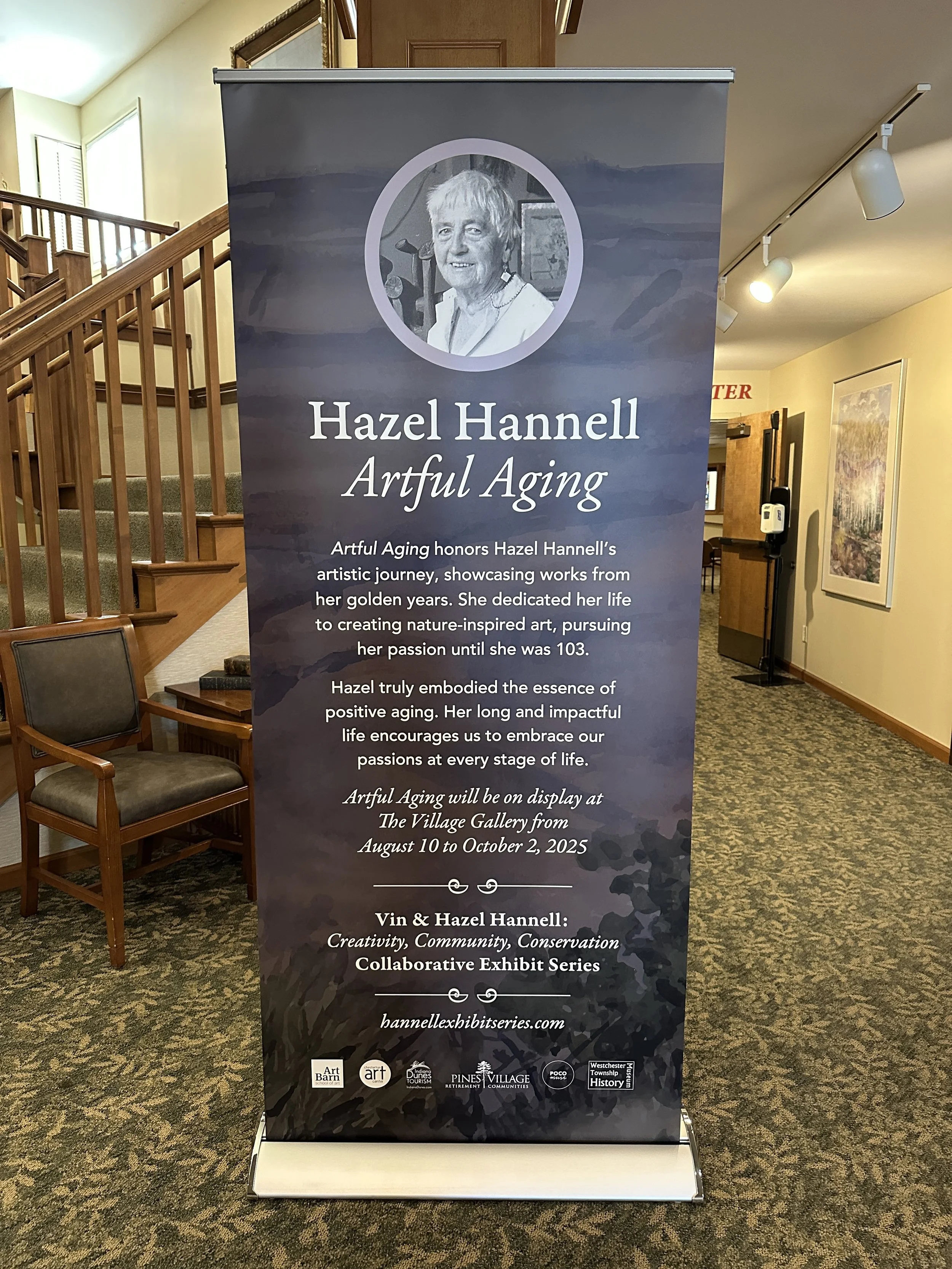
Celebrating Hazel Hannell: An Afternoon of Art, History, and Community

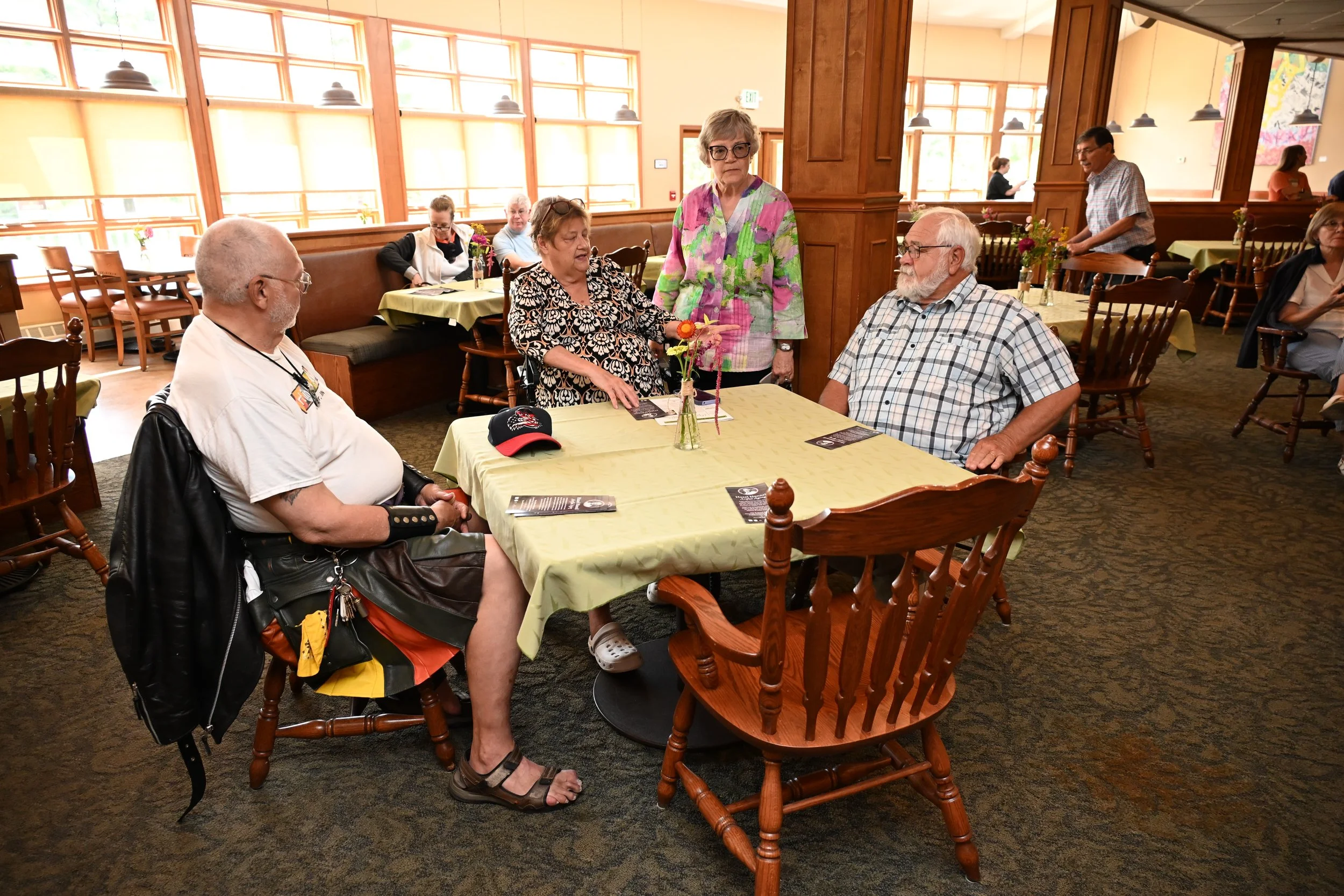
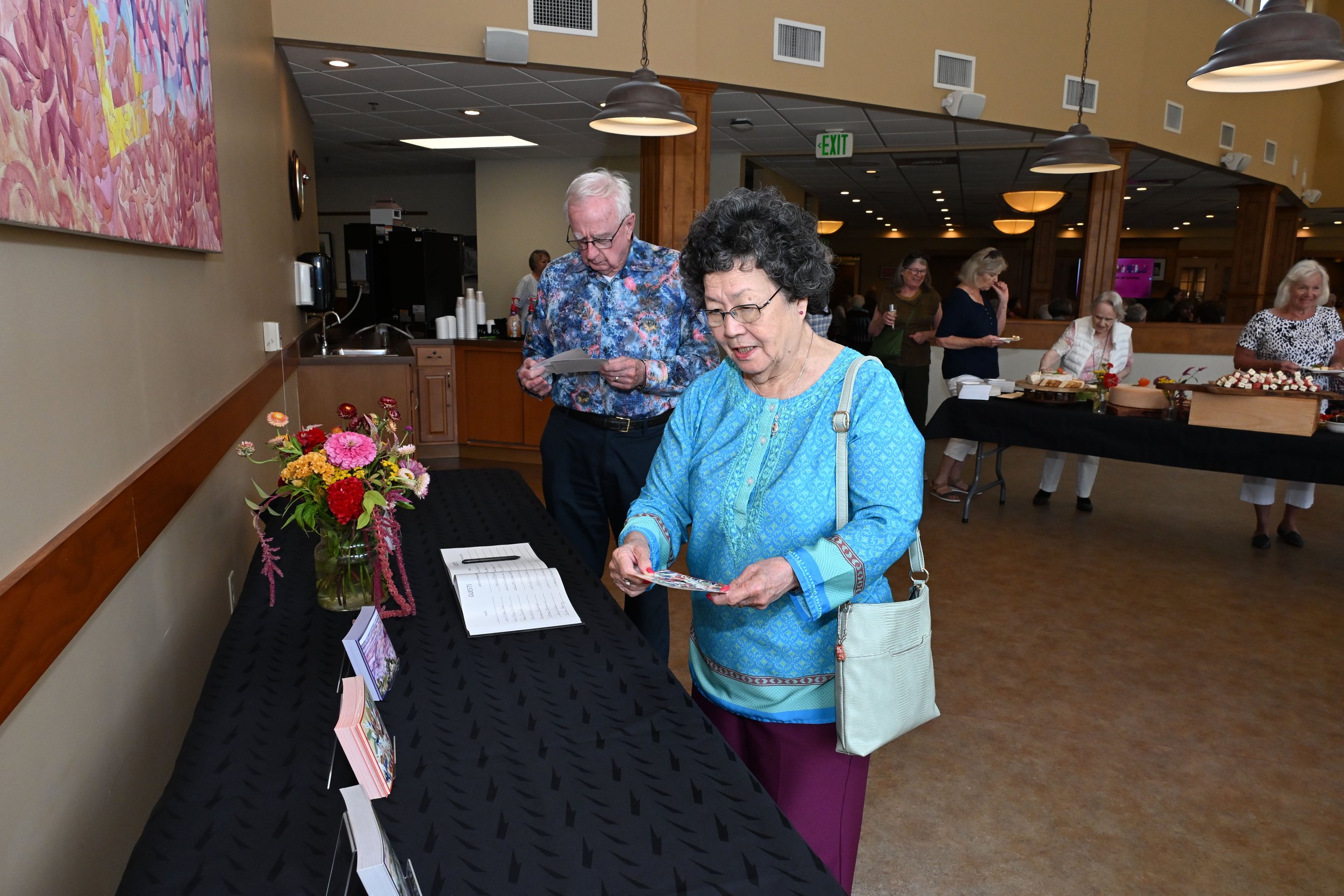
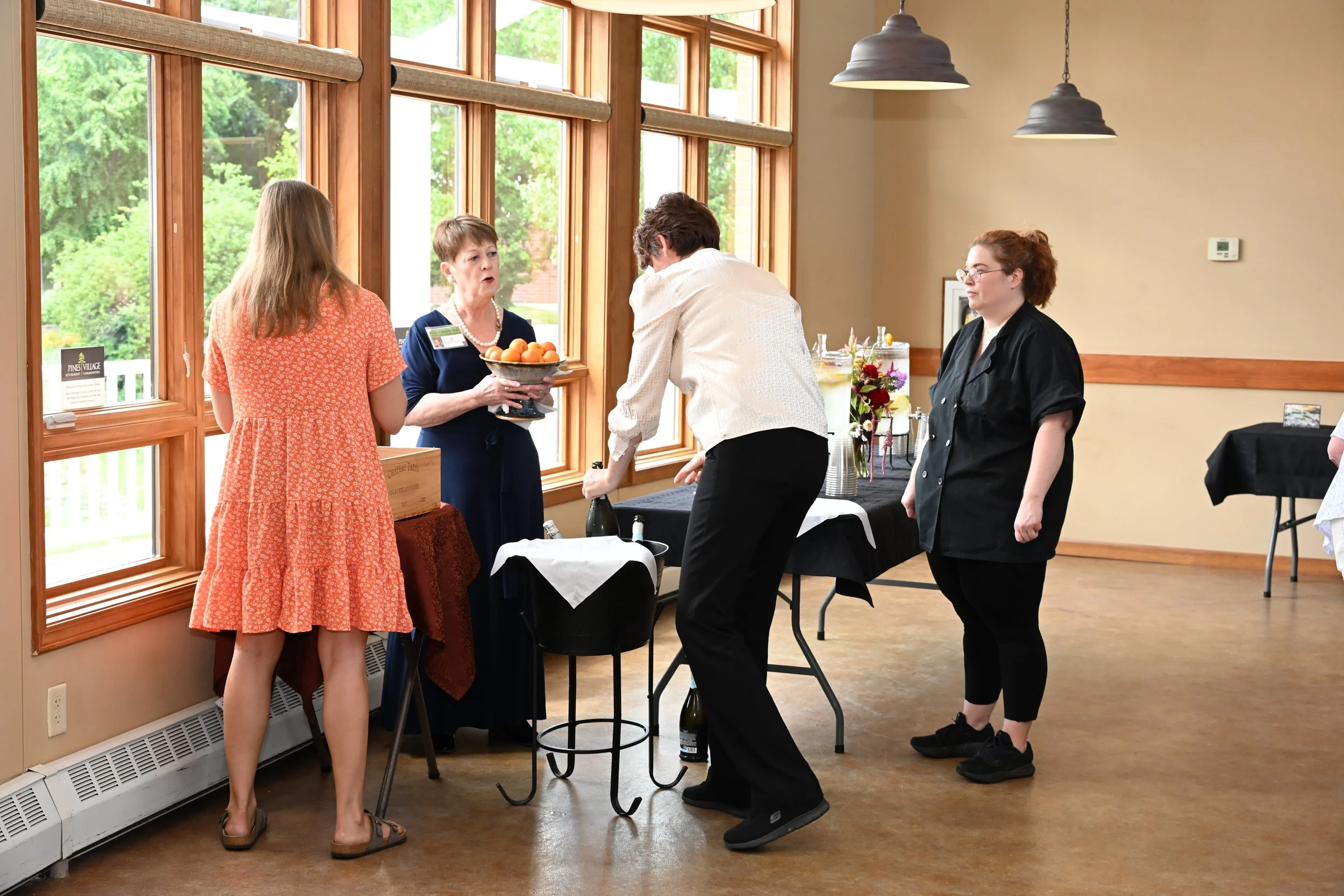
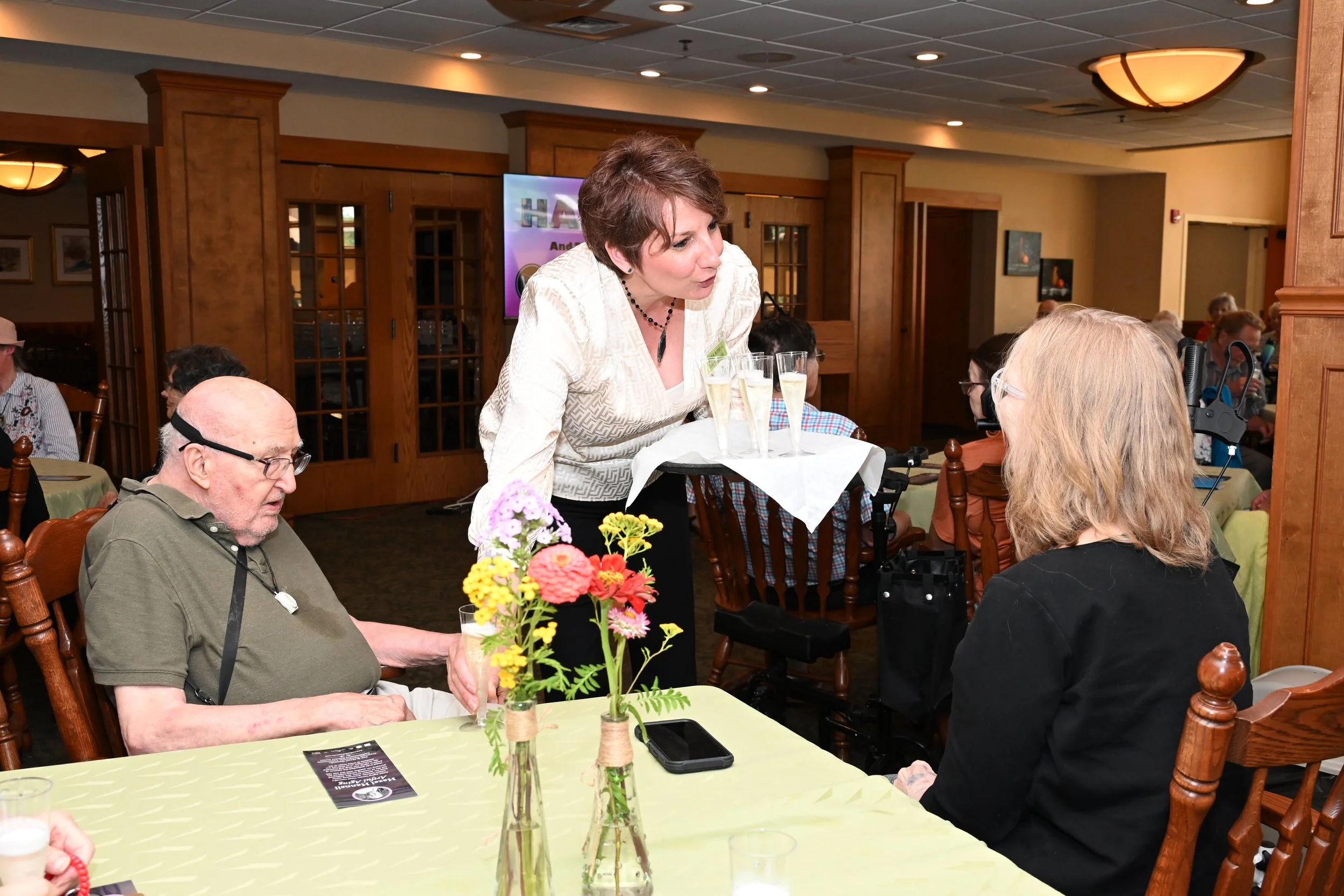
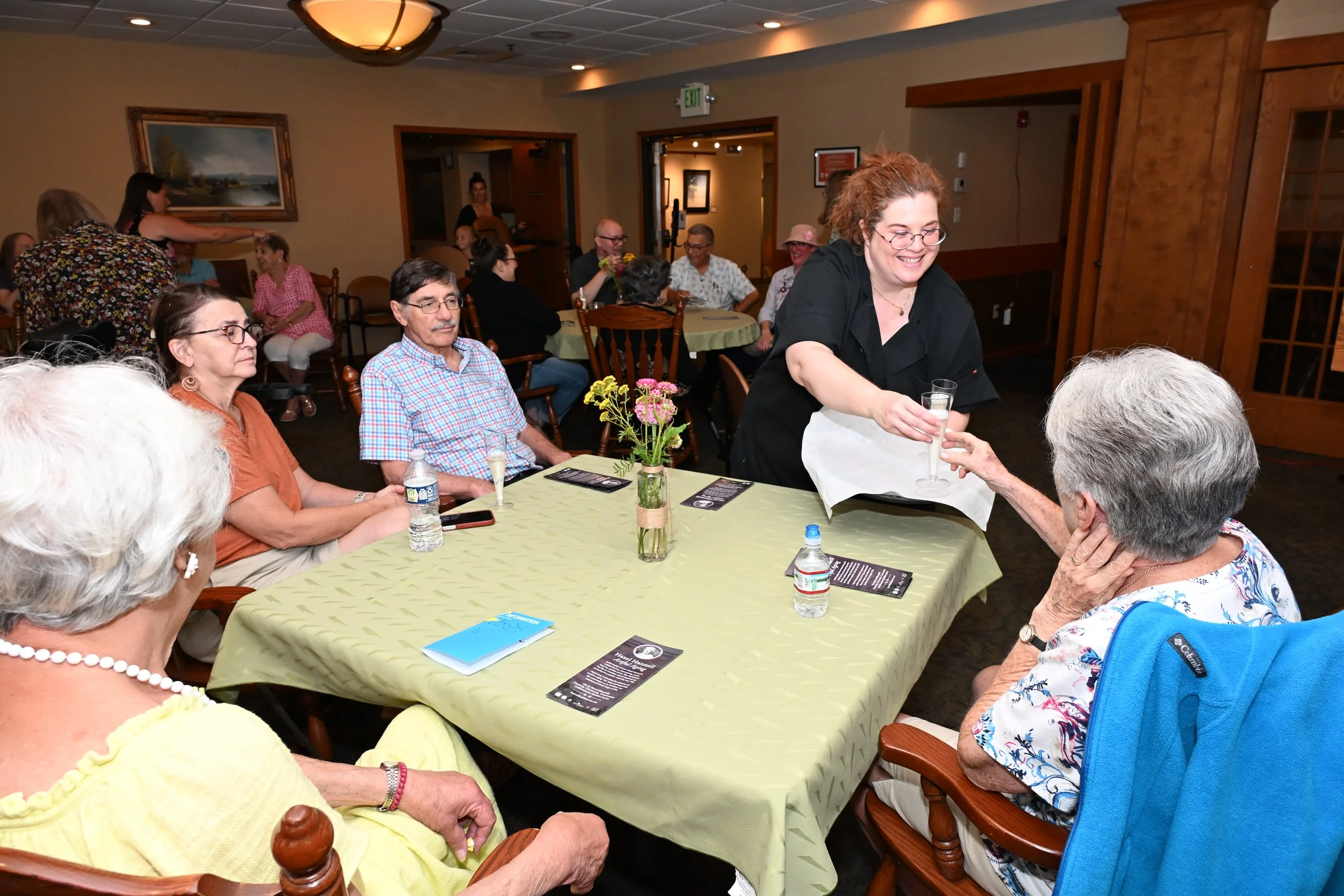
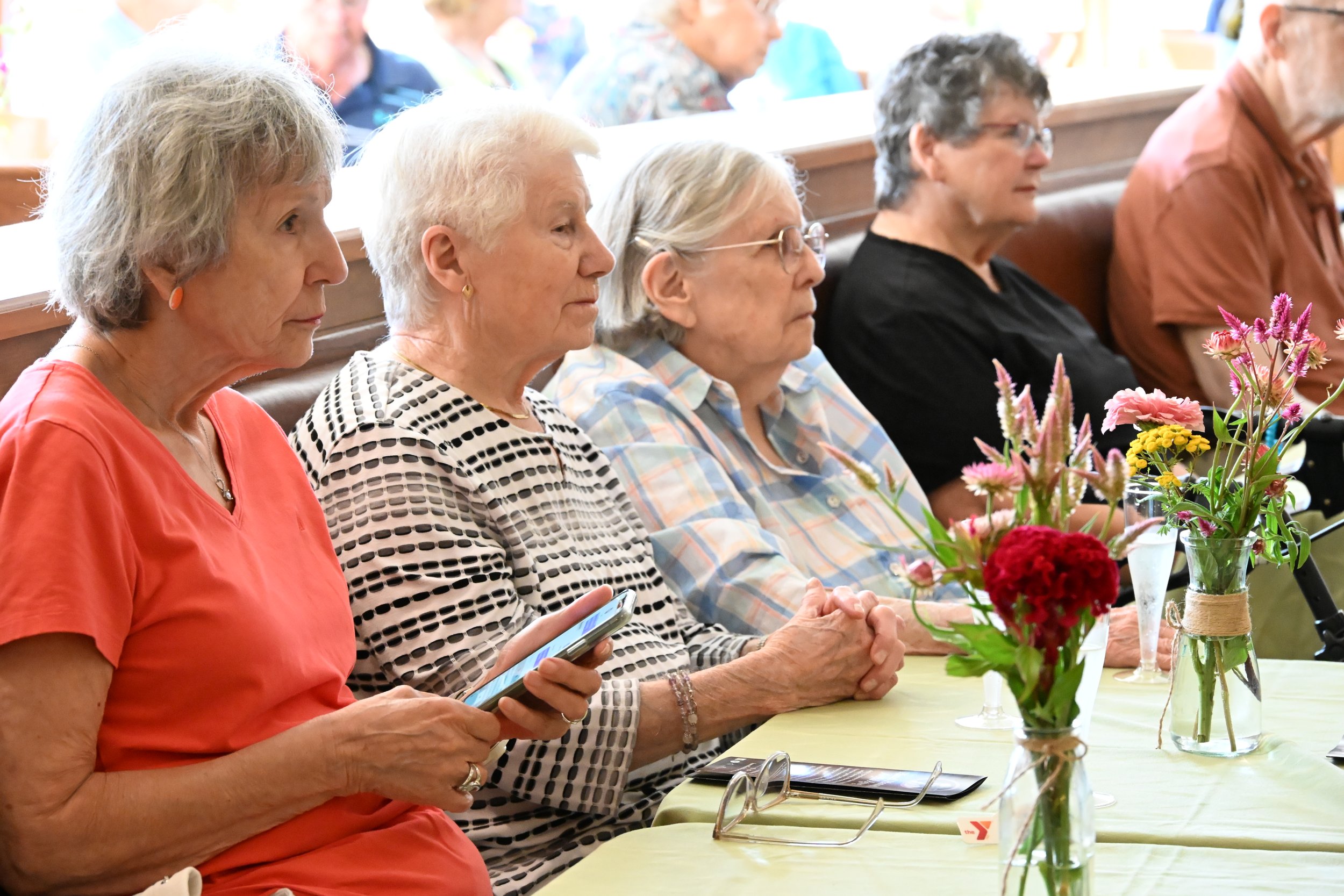
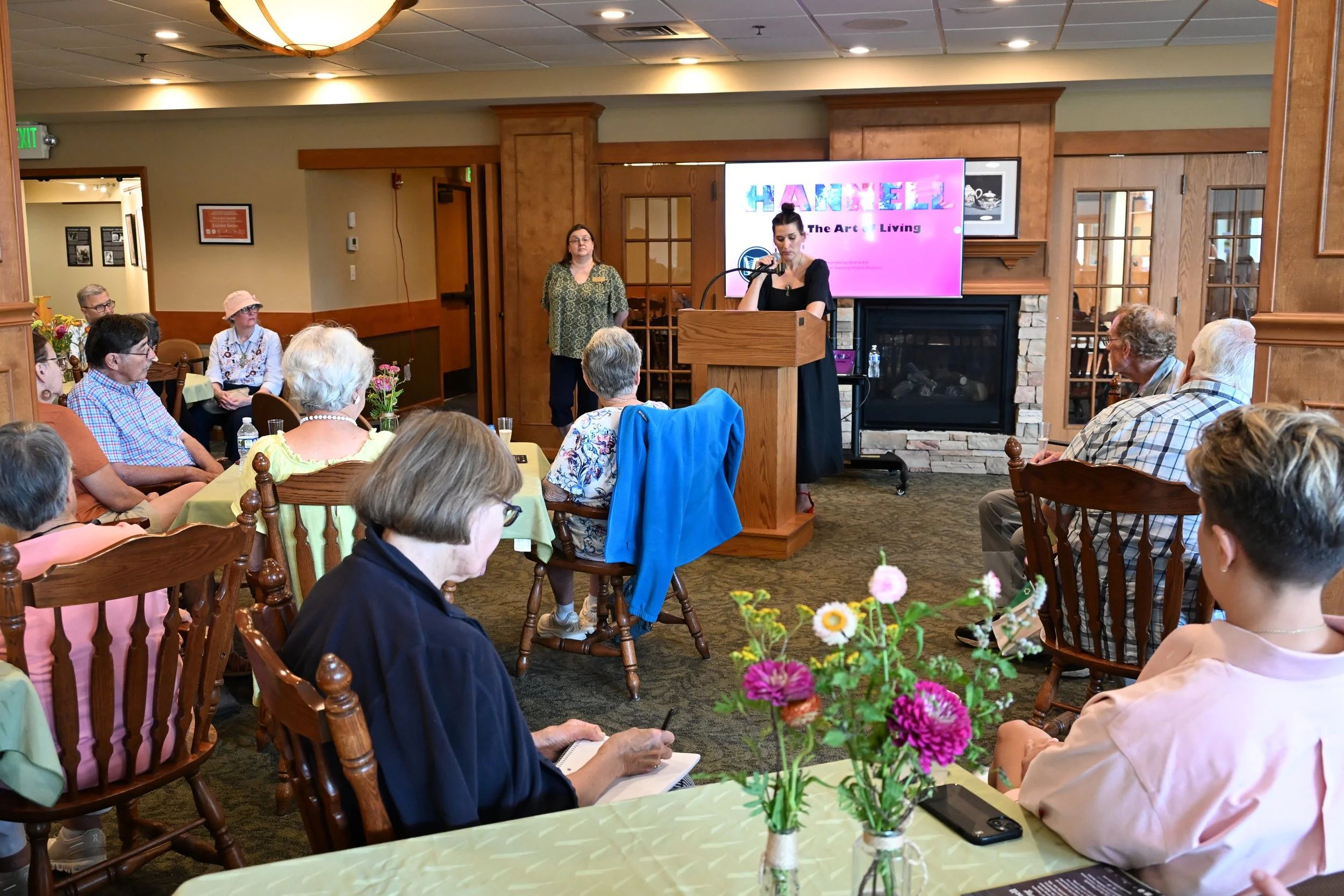
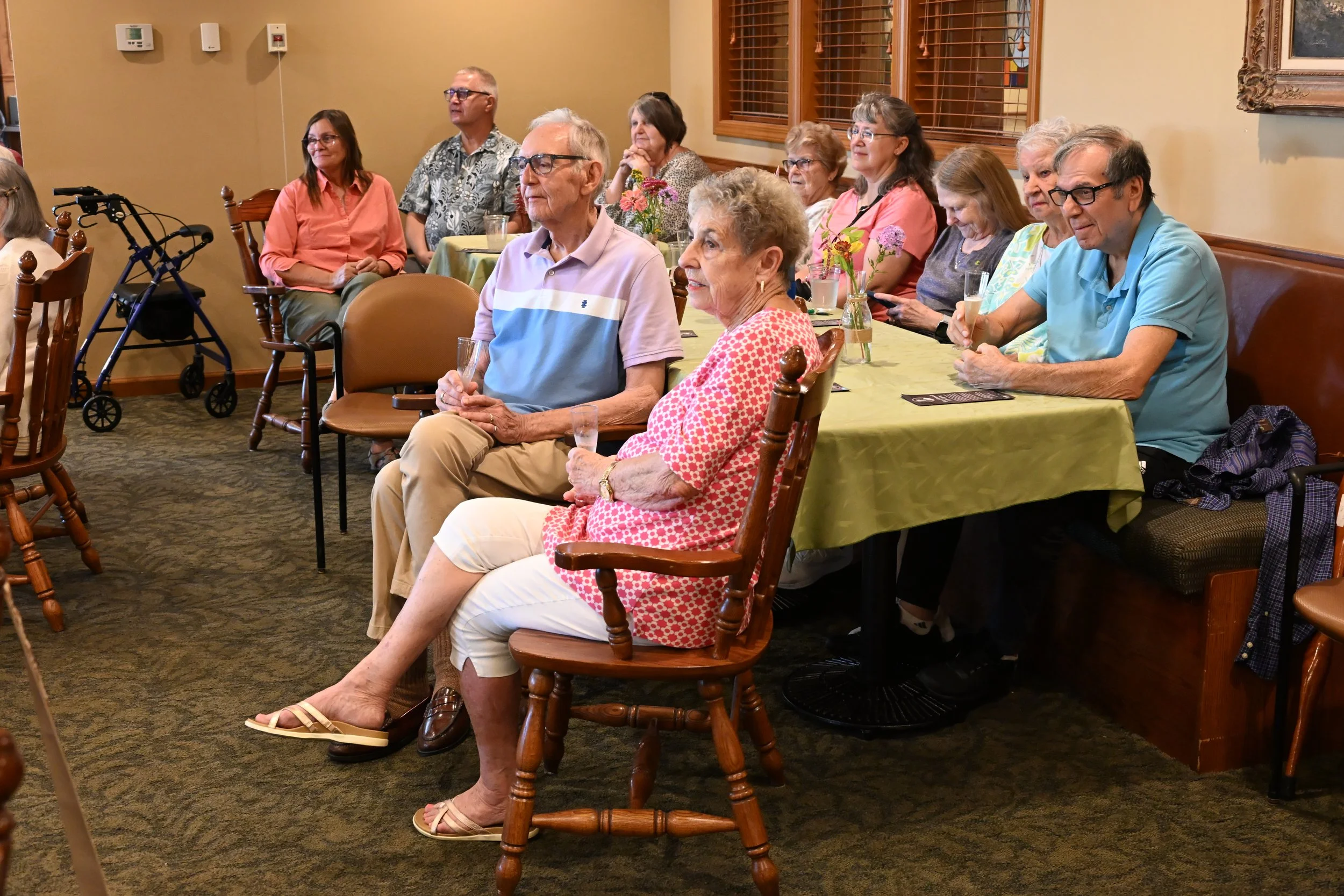
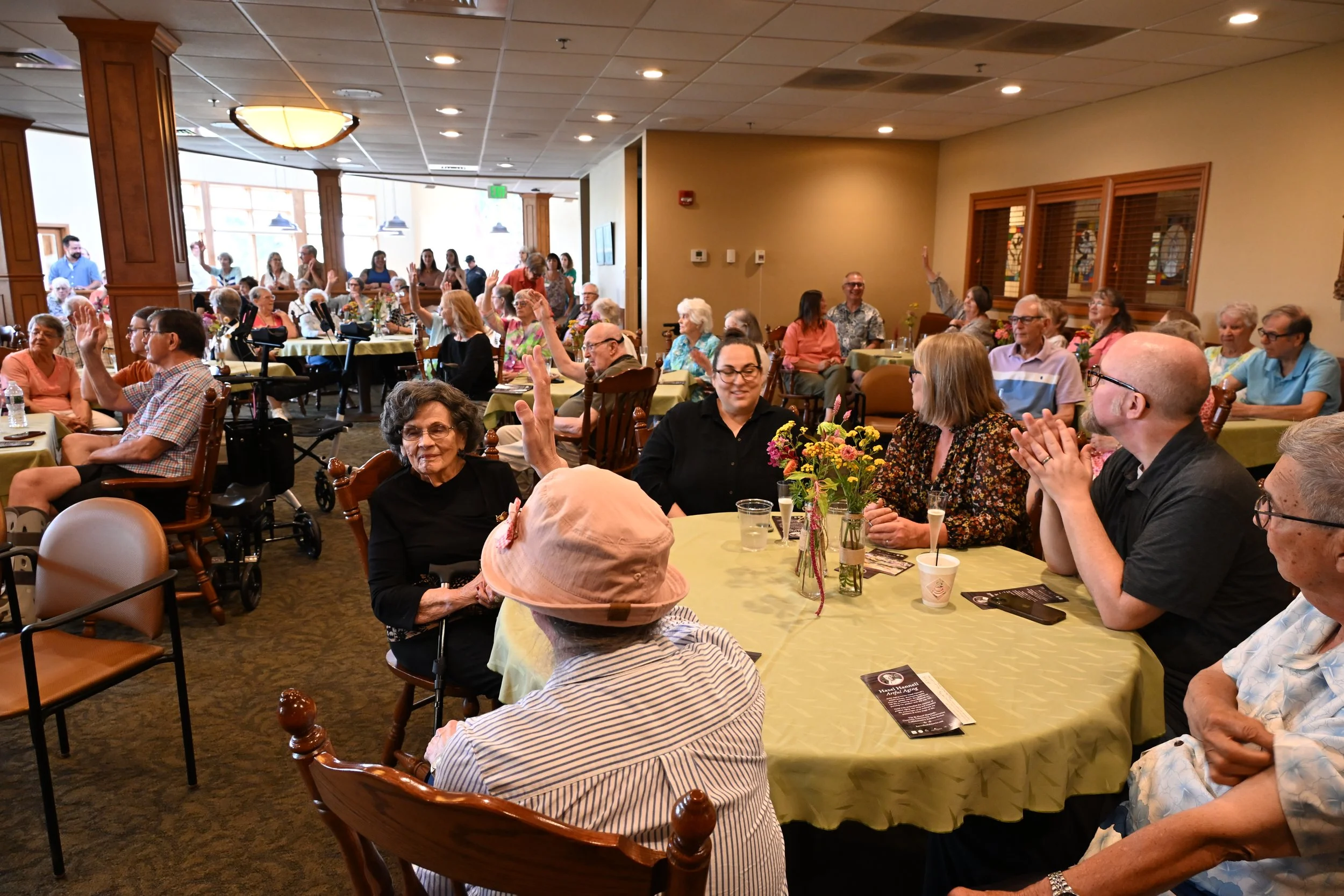
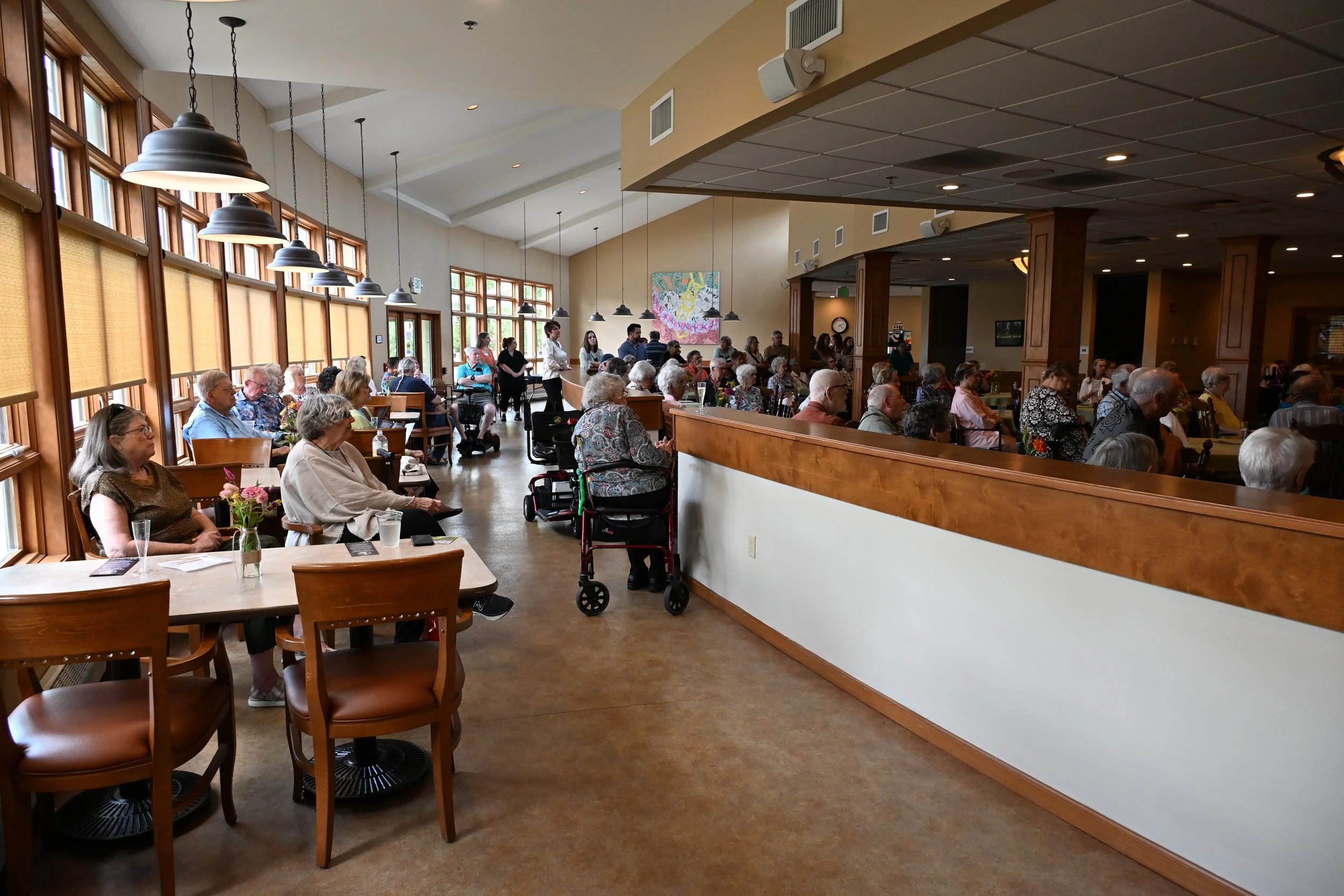
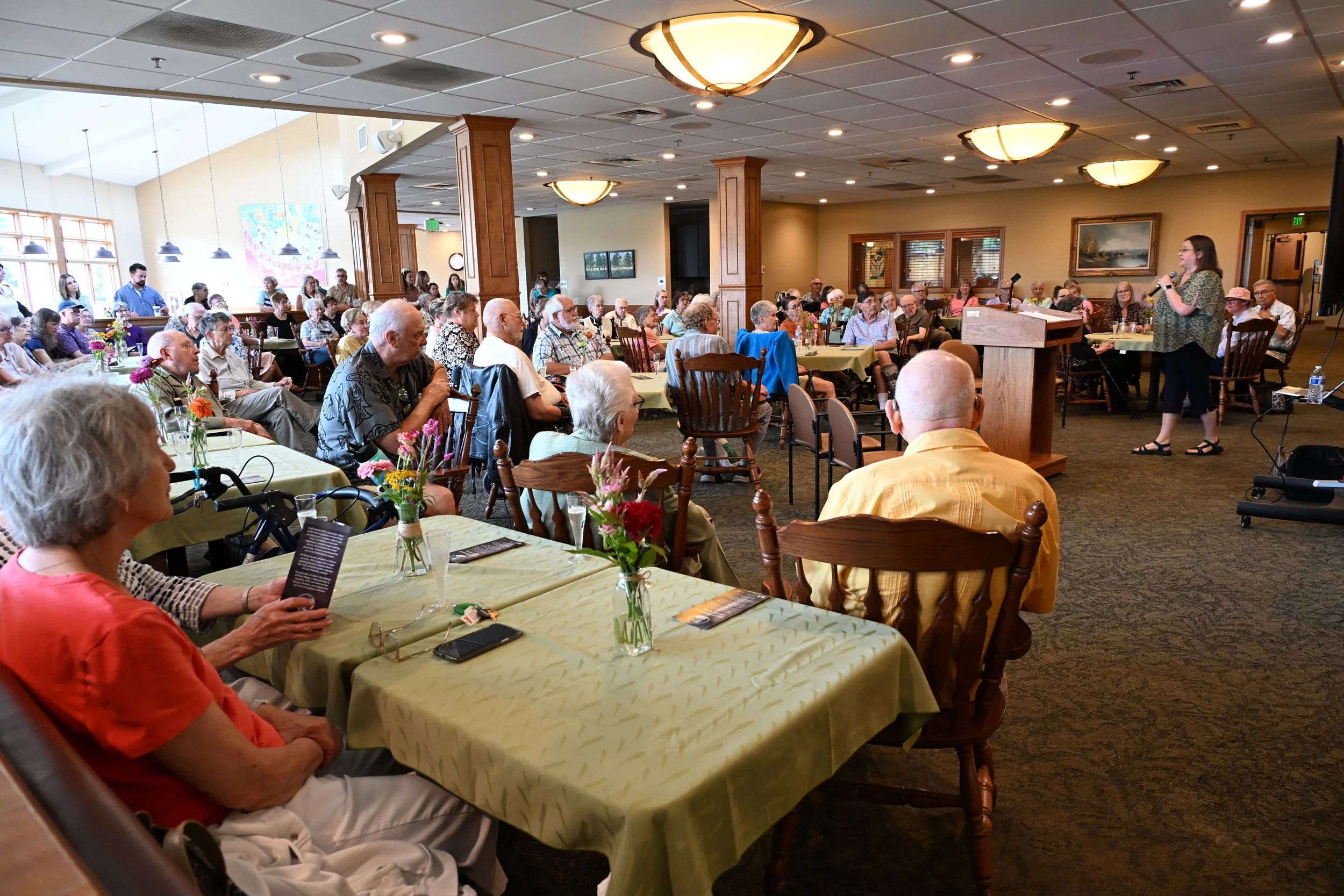
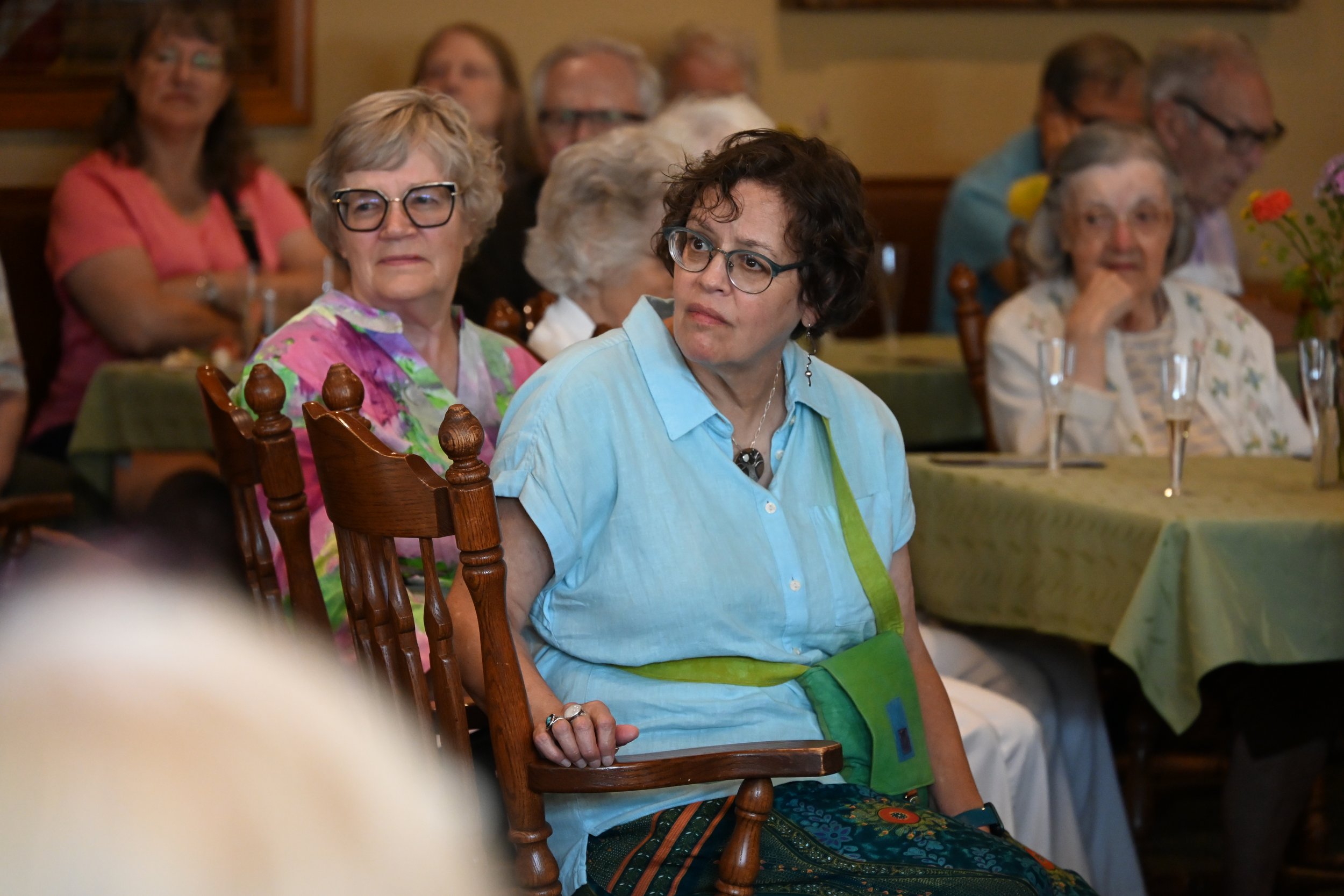
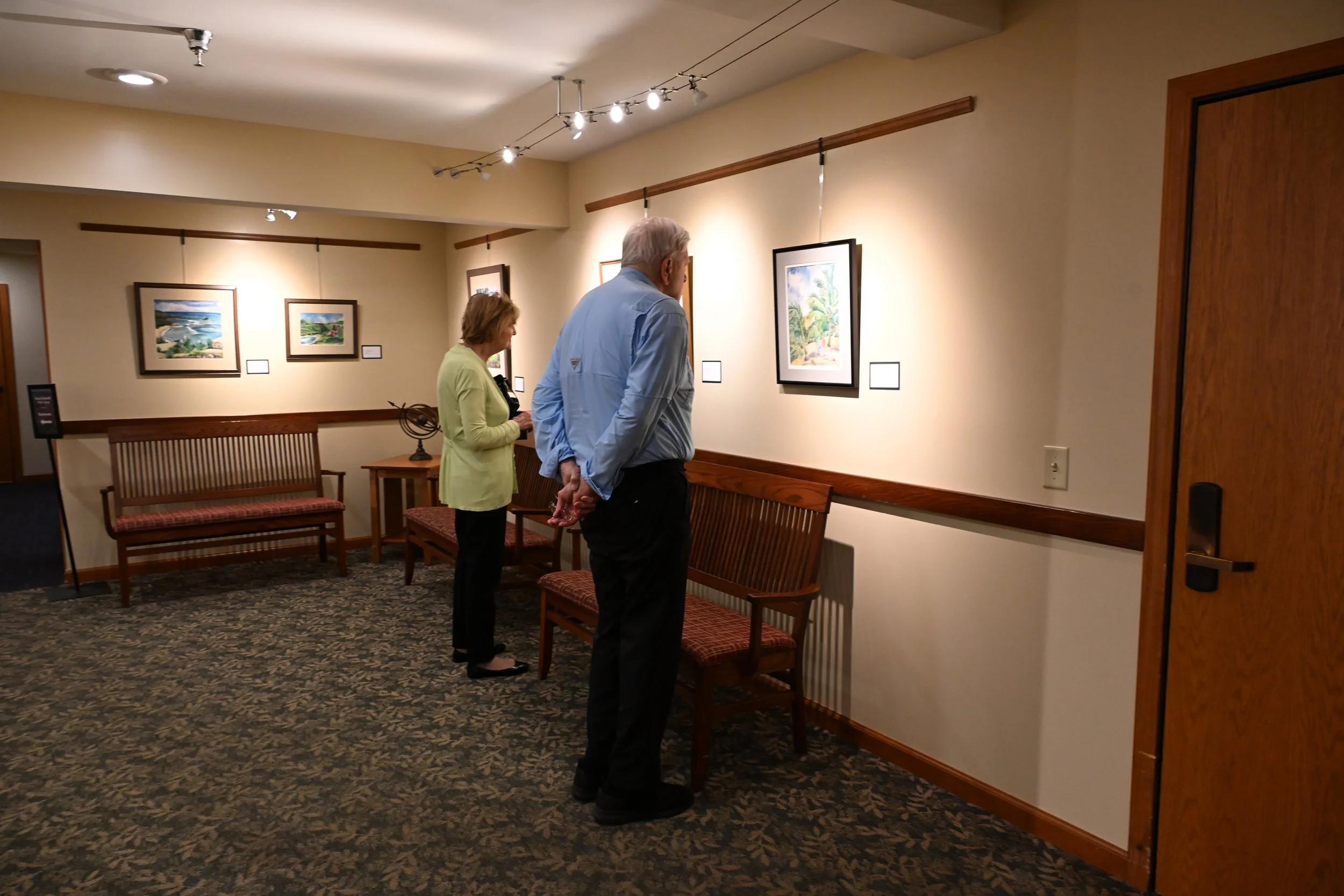
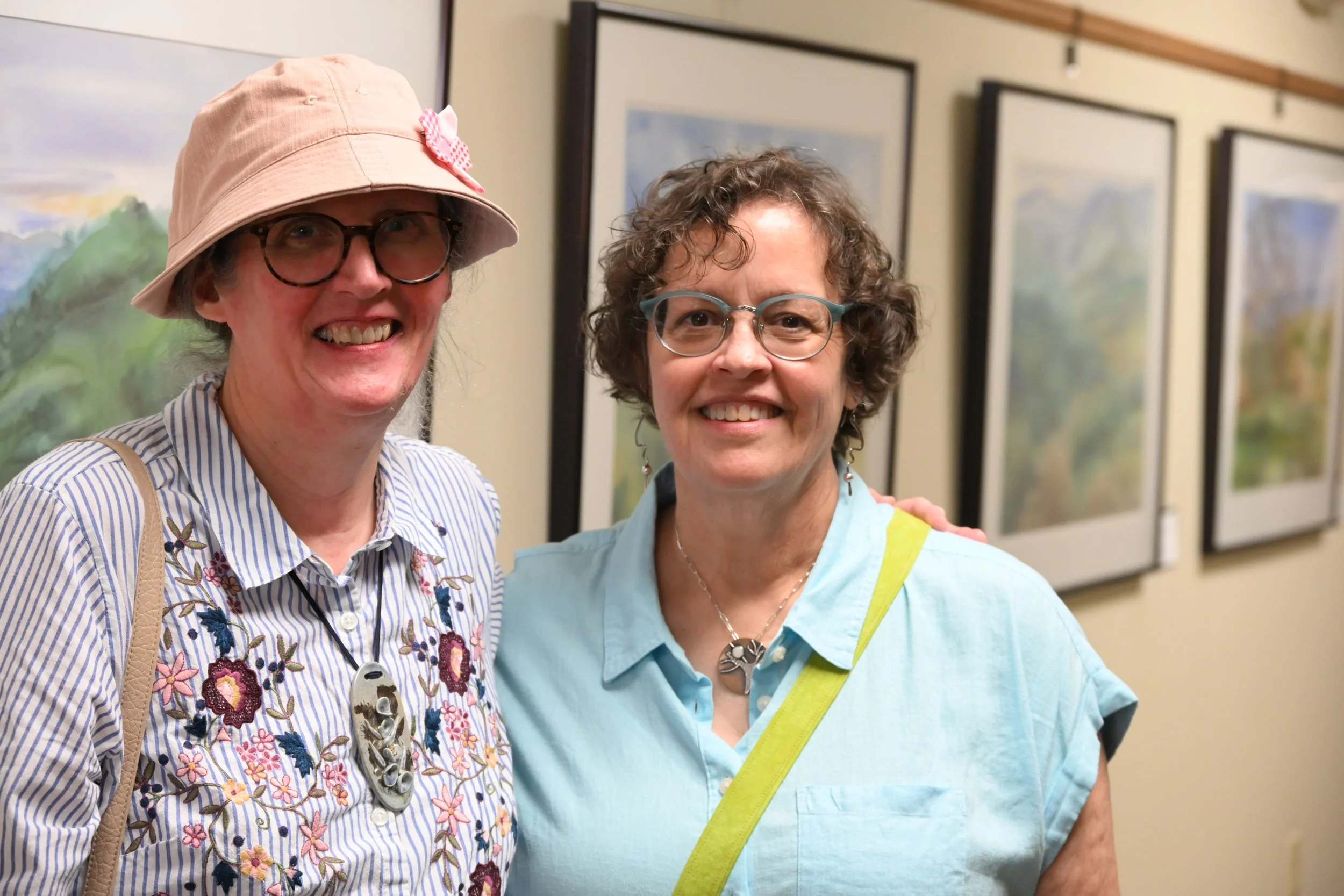
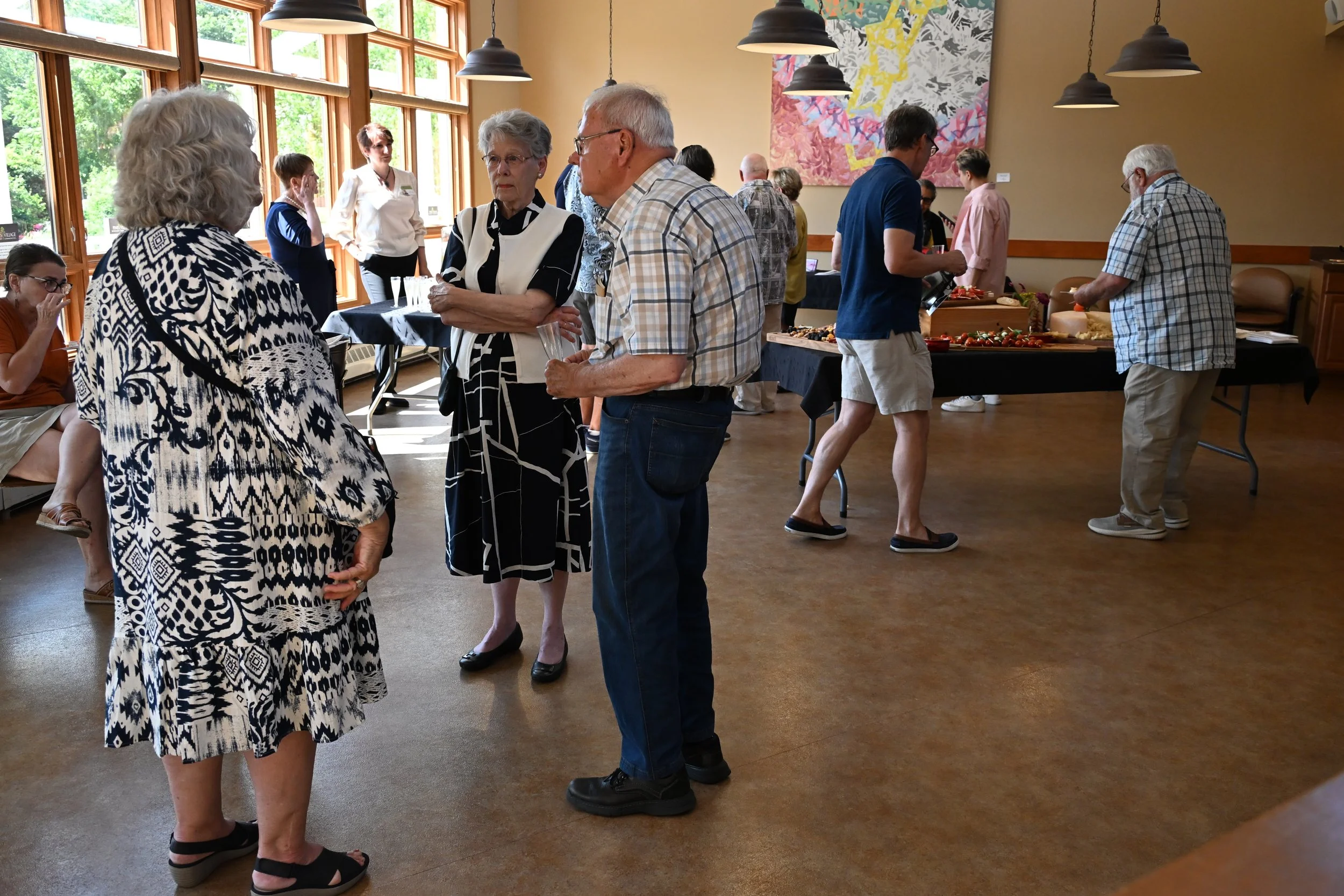
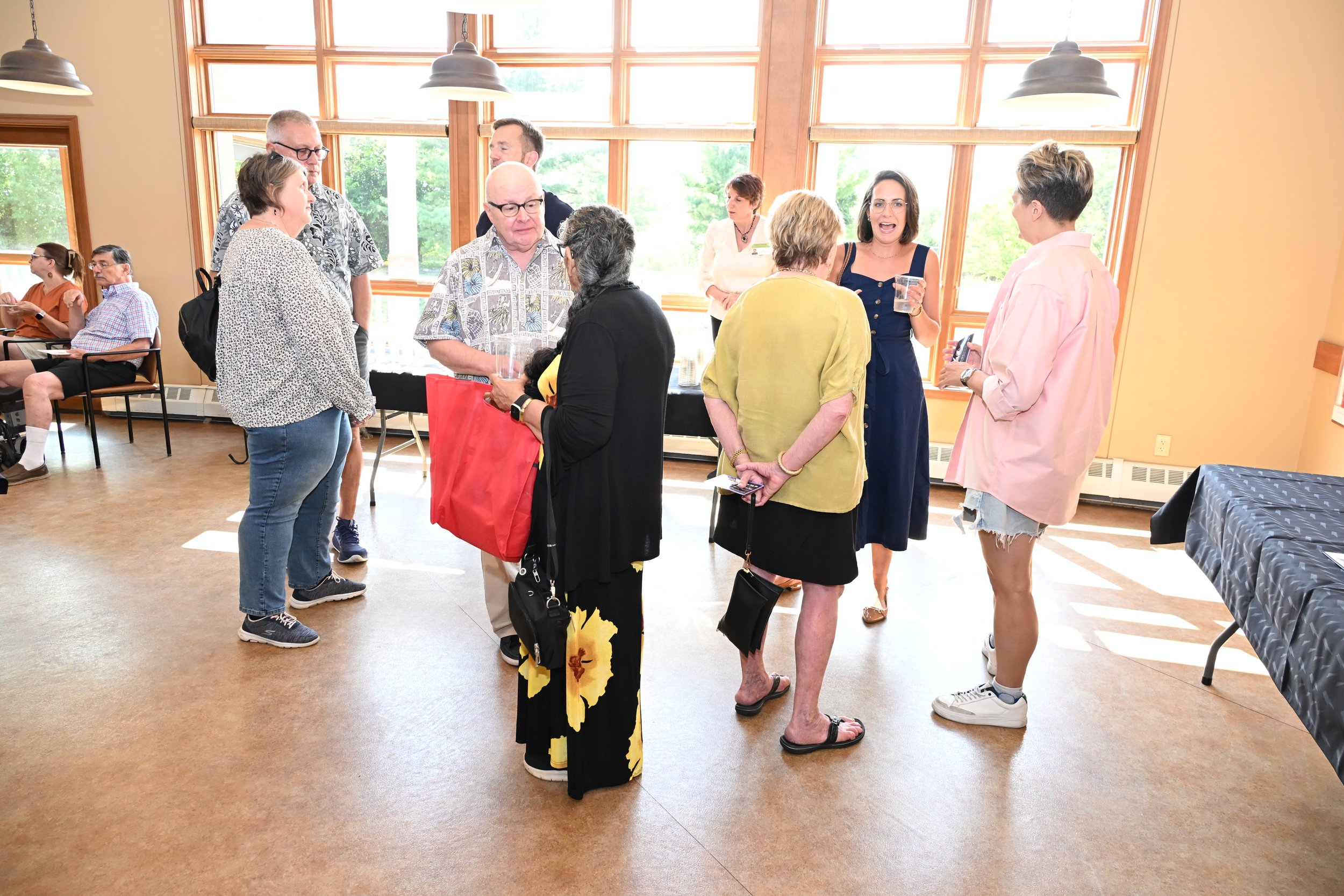
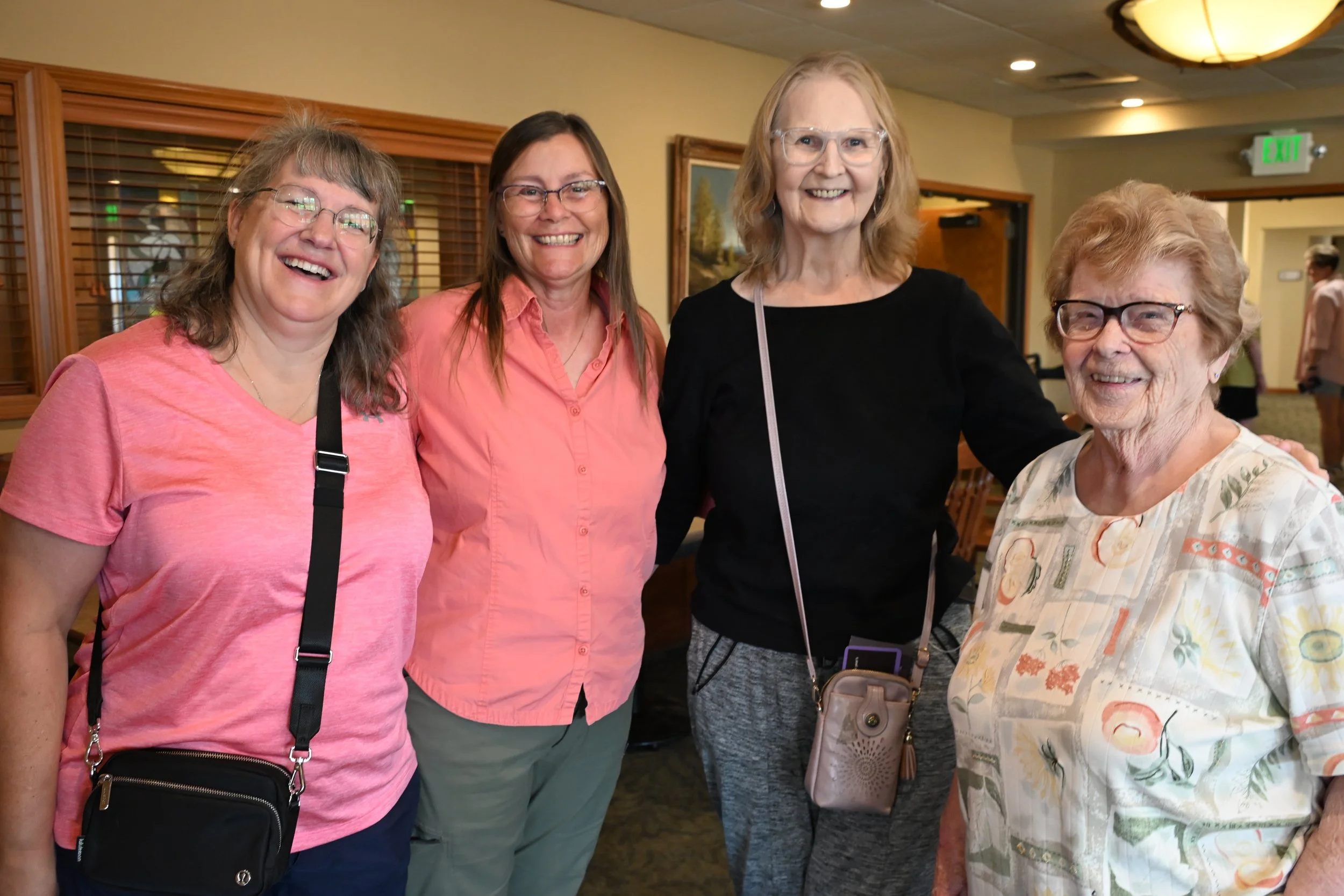
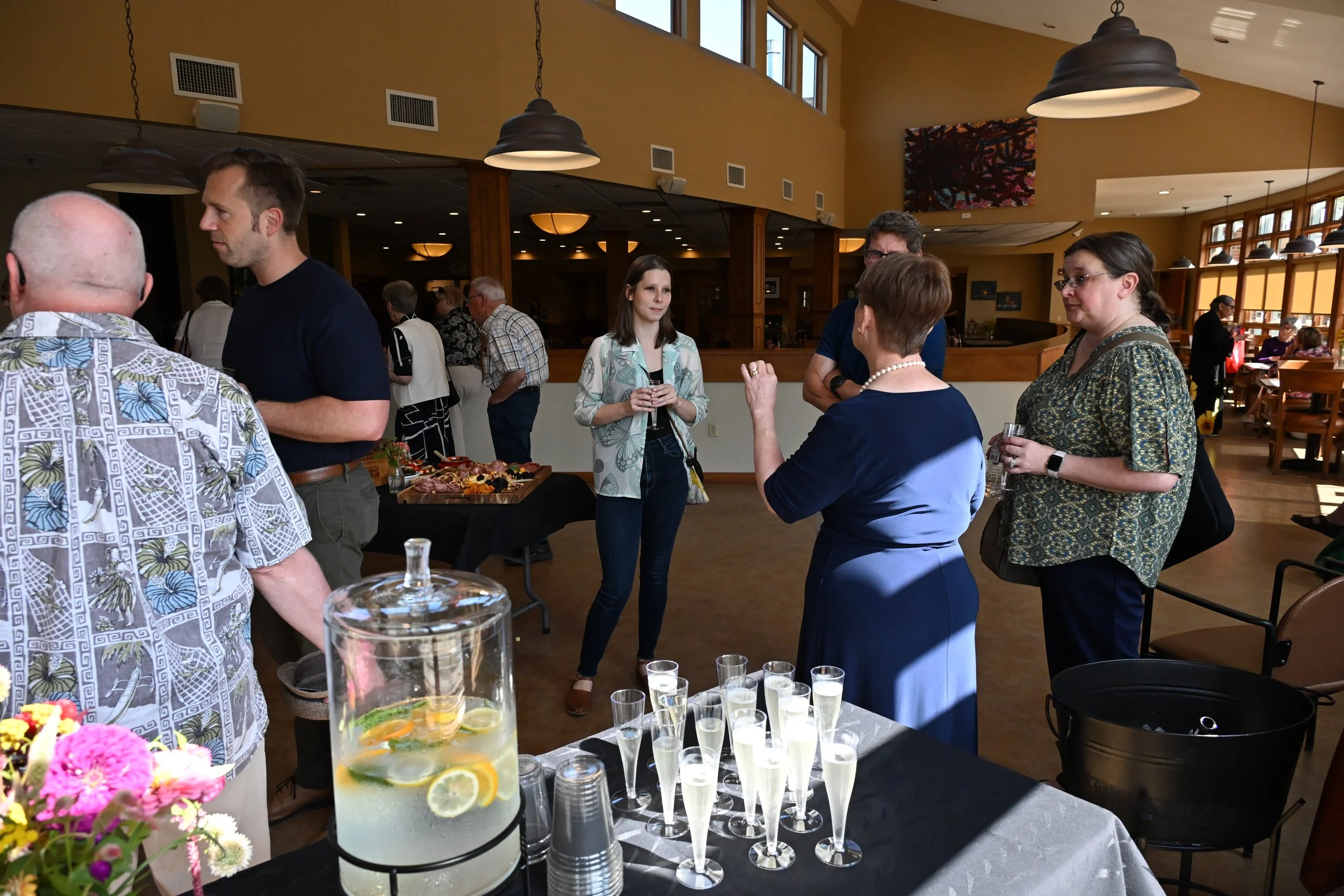
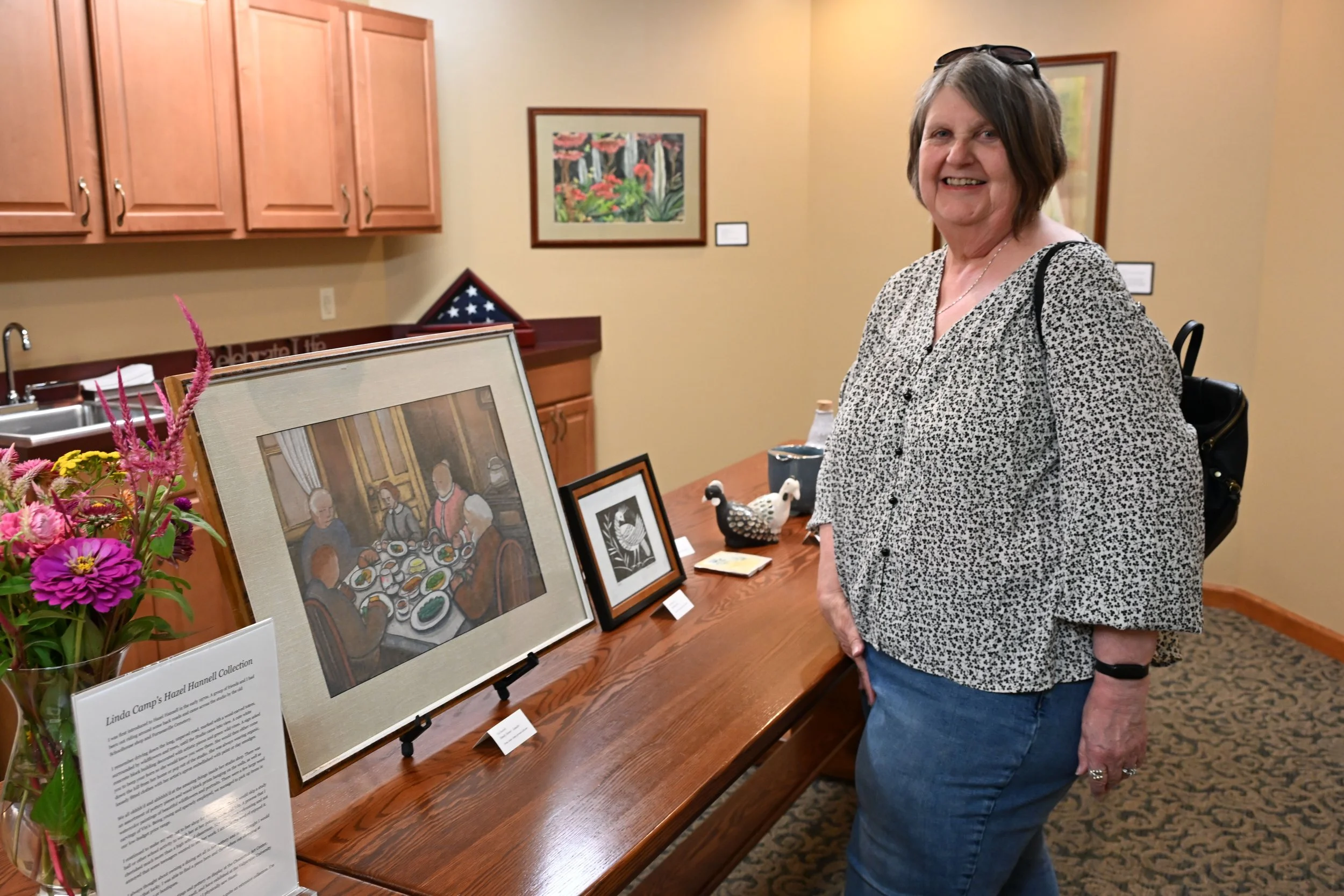
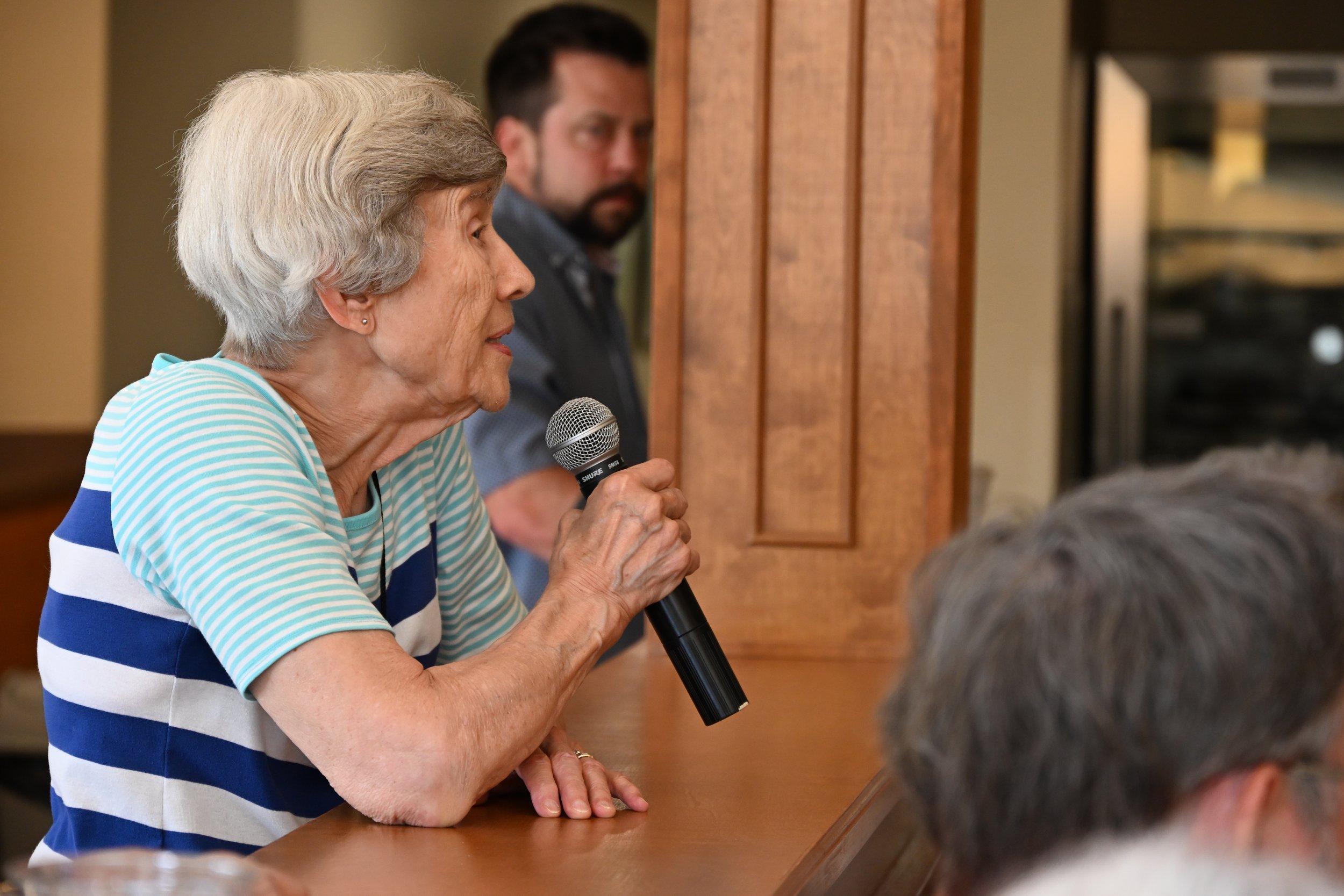
On a warm summer afternoon, more than a hundred guests gathered at Pines Village and The Village Gallery for the Hazel Hannell Artful Aging reception, an event as colorful and inviting as Hannell’s own art. Friends, neighbors, artists, and history lovers filled the gallery, mingling among the vibrant works while enjoying the kind of warm hospitality that makes our community so special.

Photograph of Hazel Hannell by Margaret L. Willis

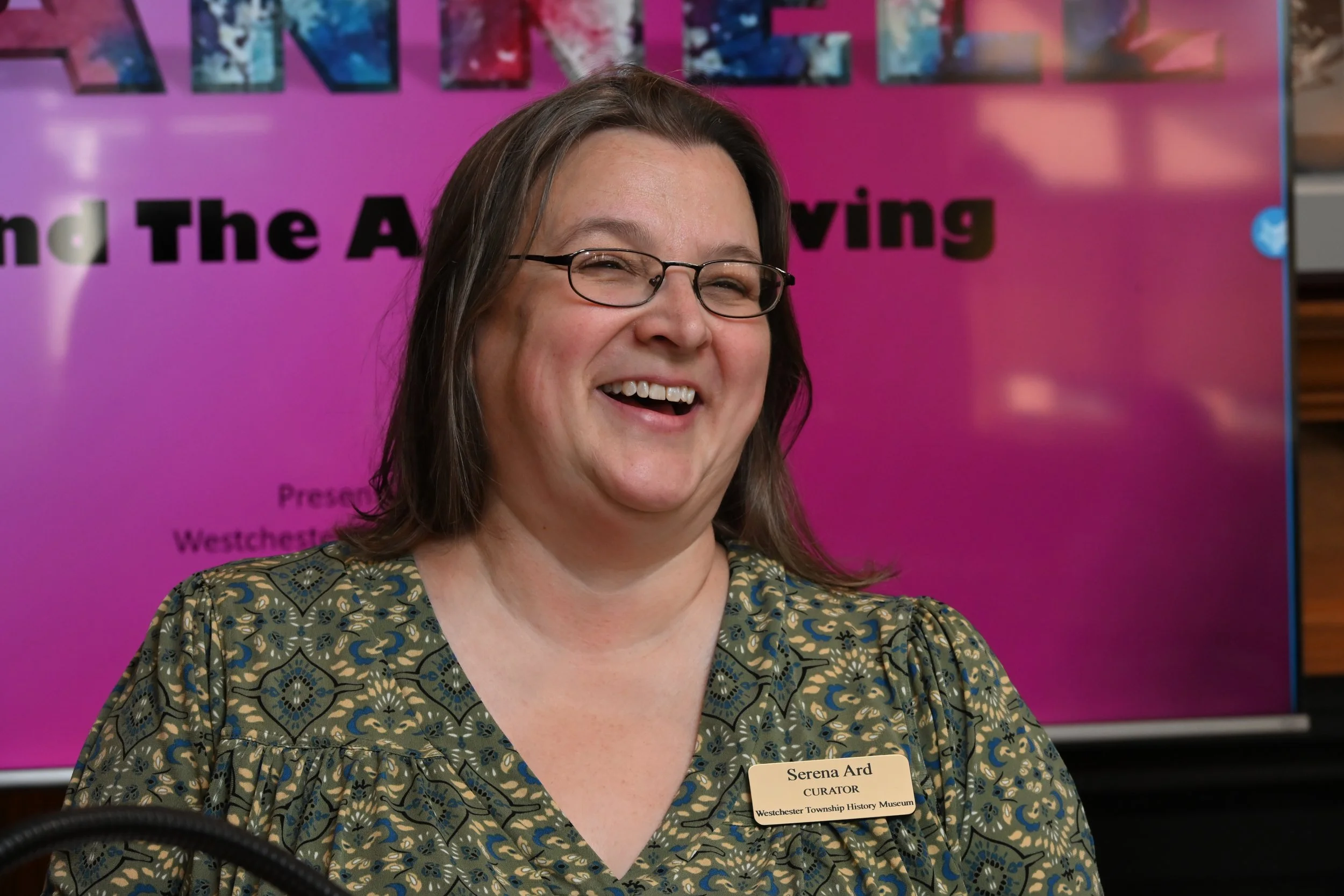
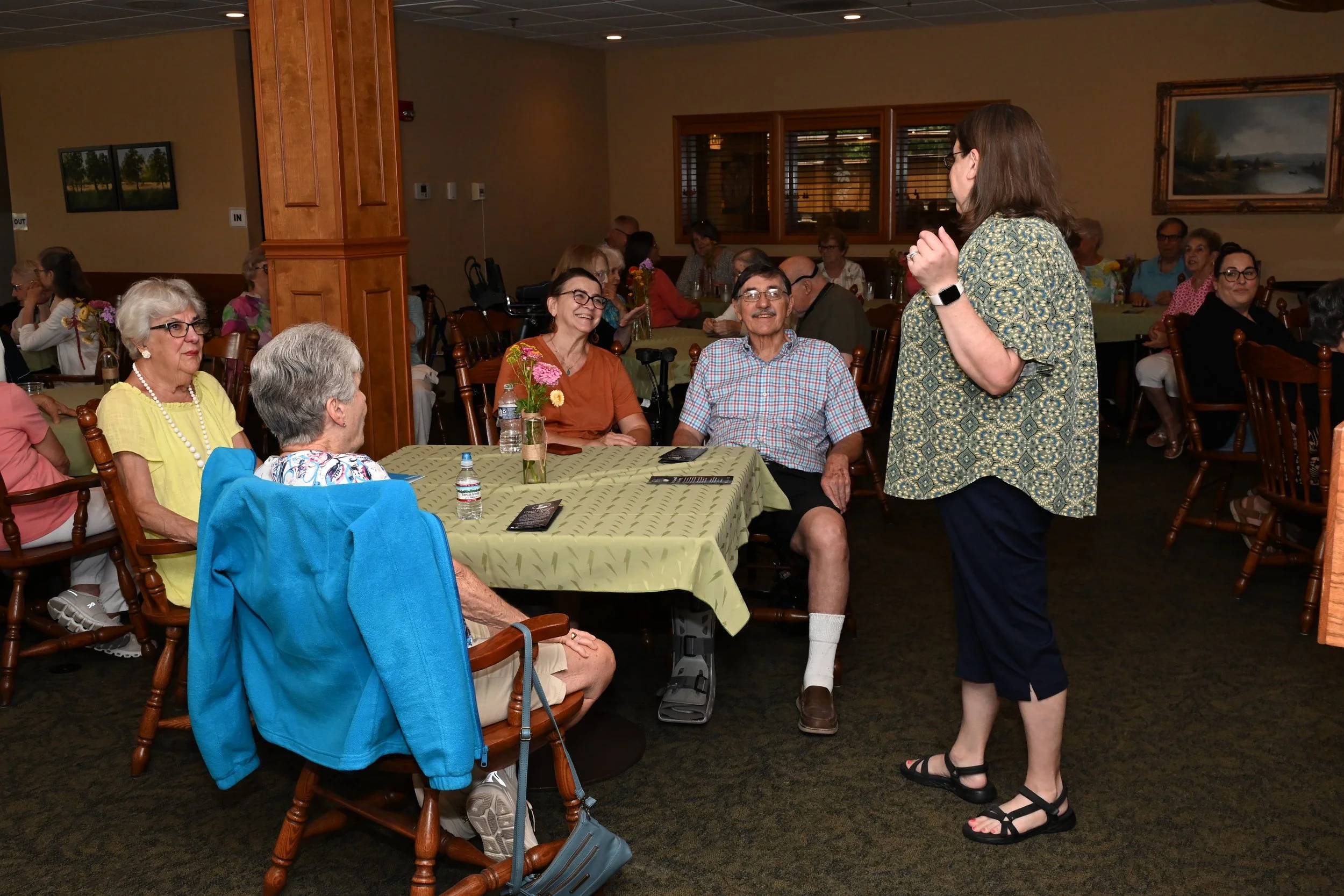
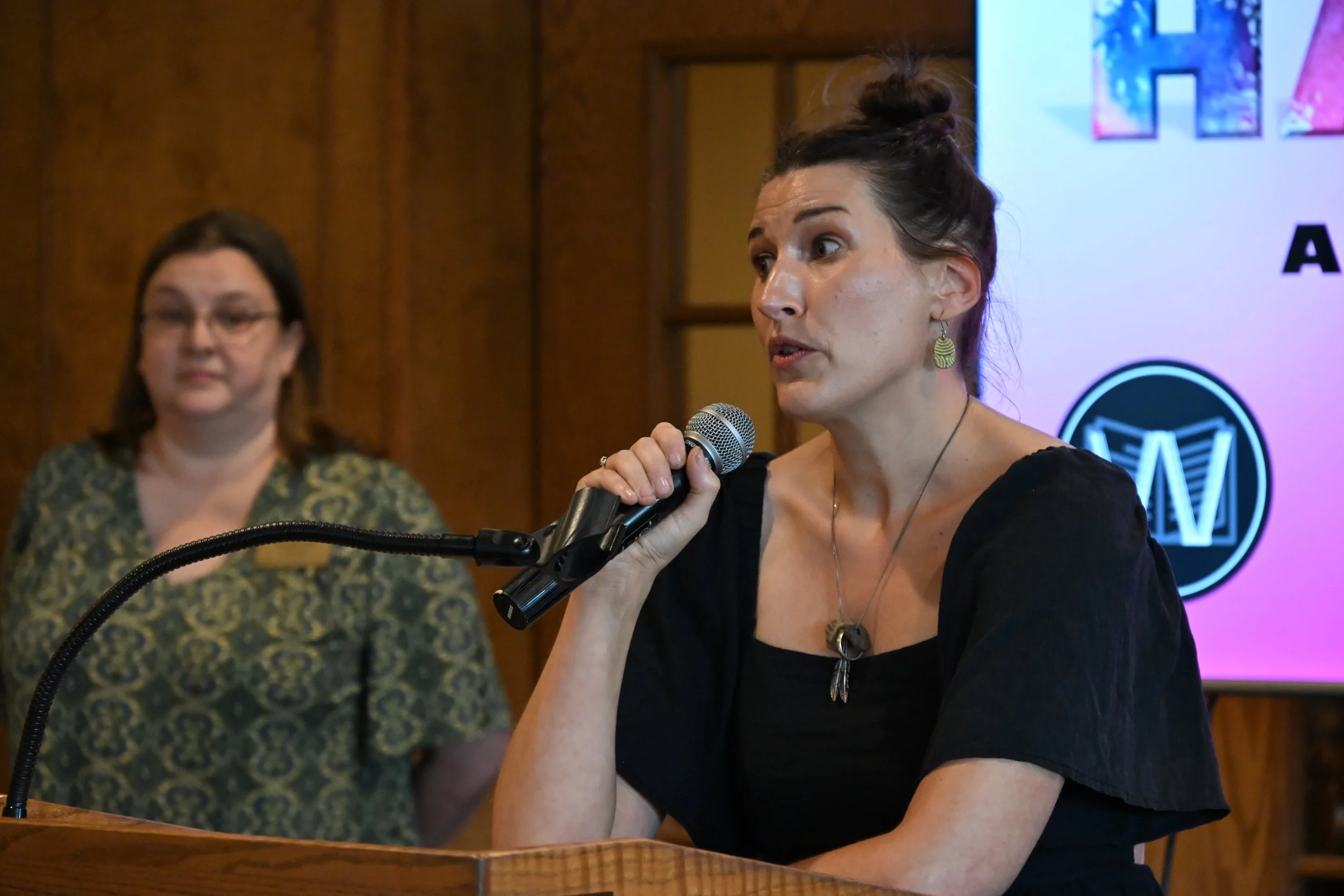
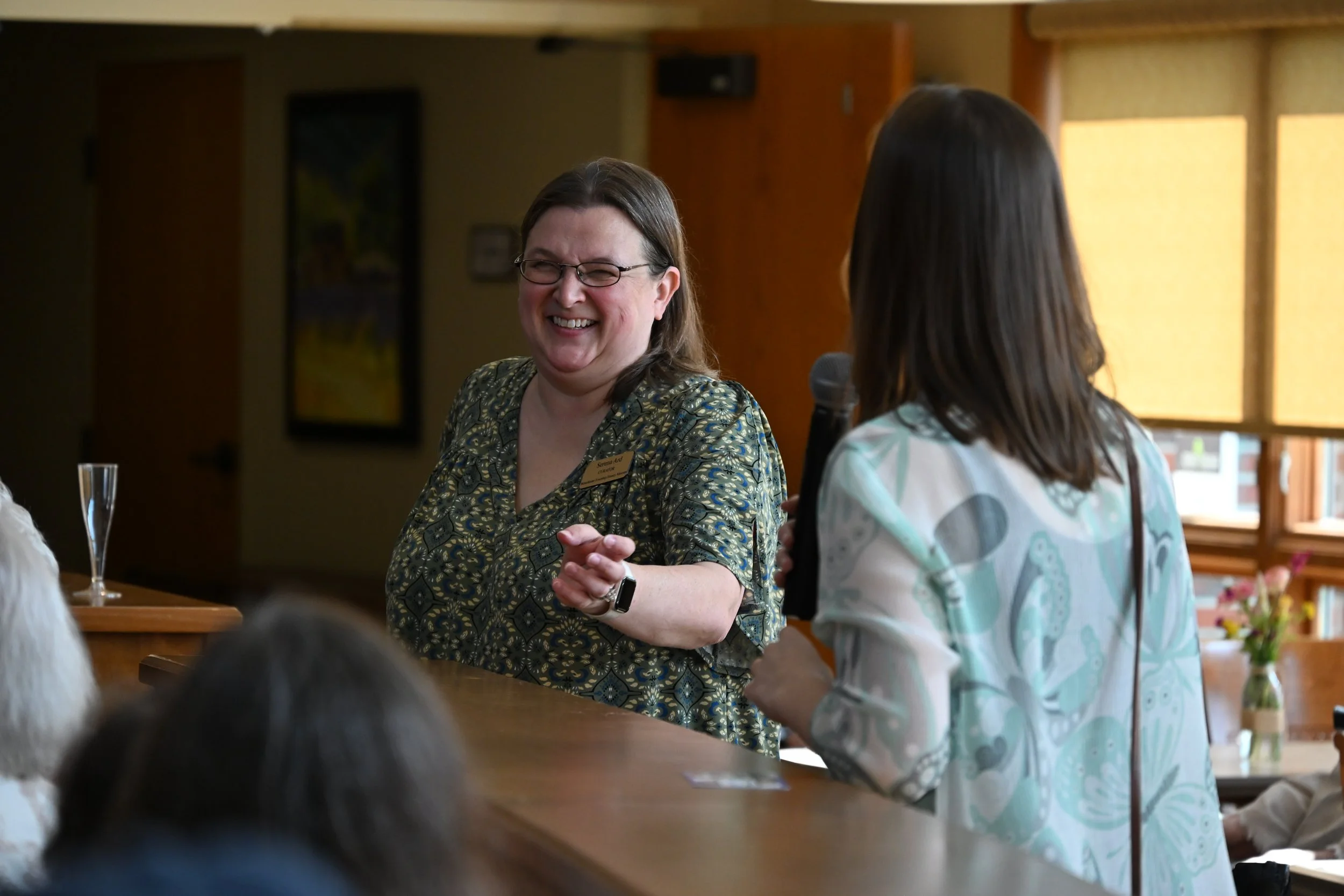
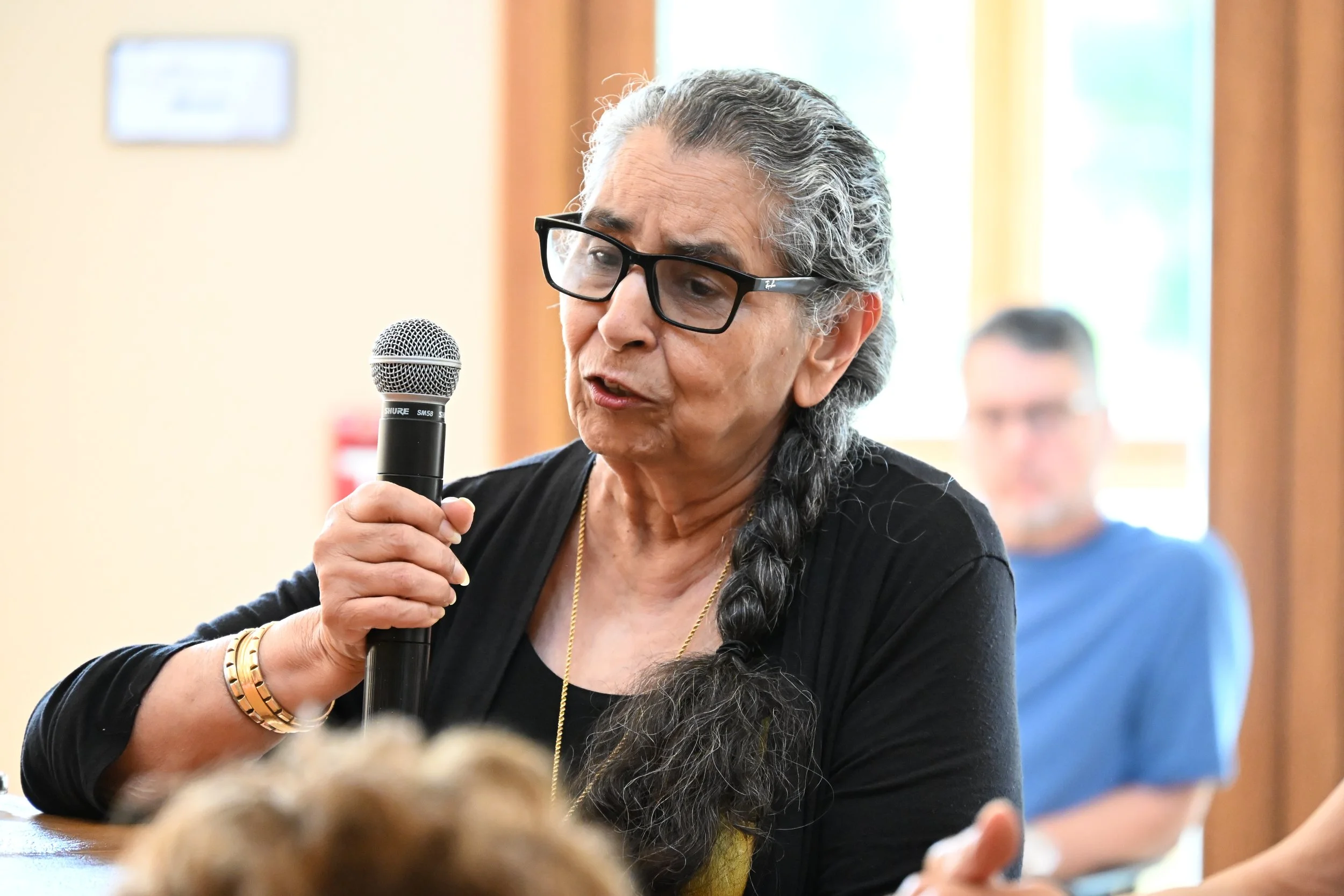
The evening’s highlight was a captivating talk by Serena Ard, whose deep connection to the history of the Hannells shone through in every word. She wove together stories of Hazel’s artistic journey, her commitment to conservation, and the creative partnership she shared with her husband, Vin. Serena’s storytelling offered guests a deeper appreciation for the pieces on display, transforming them from beautiful works of art into living records of a remarkable life and era.

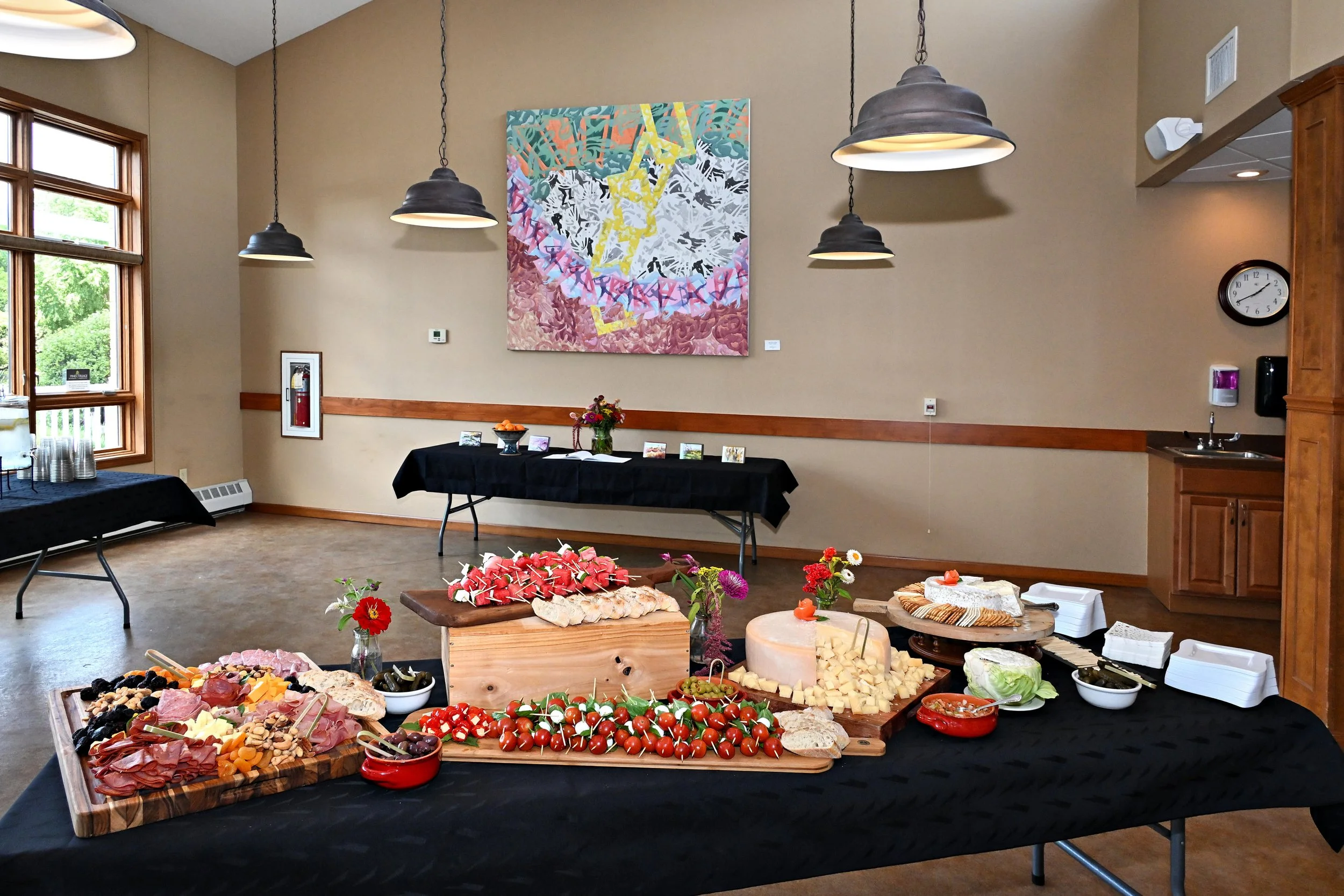
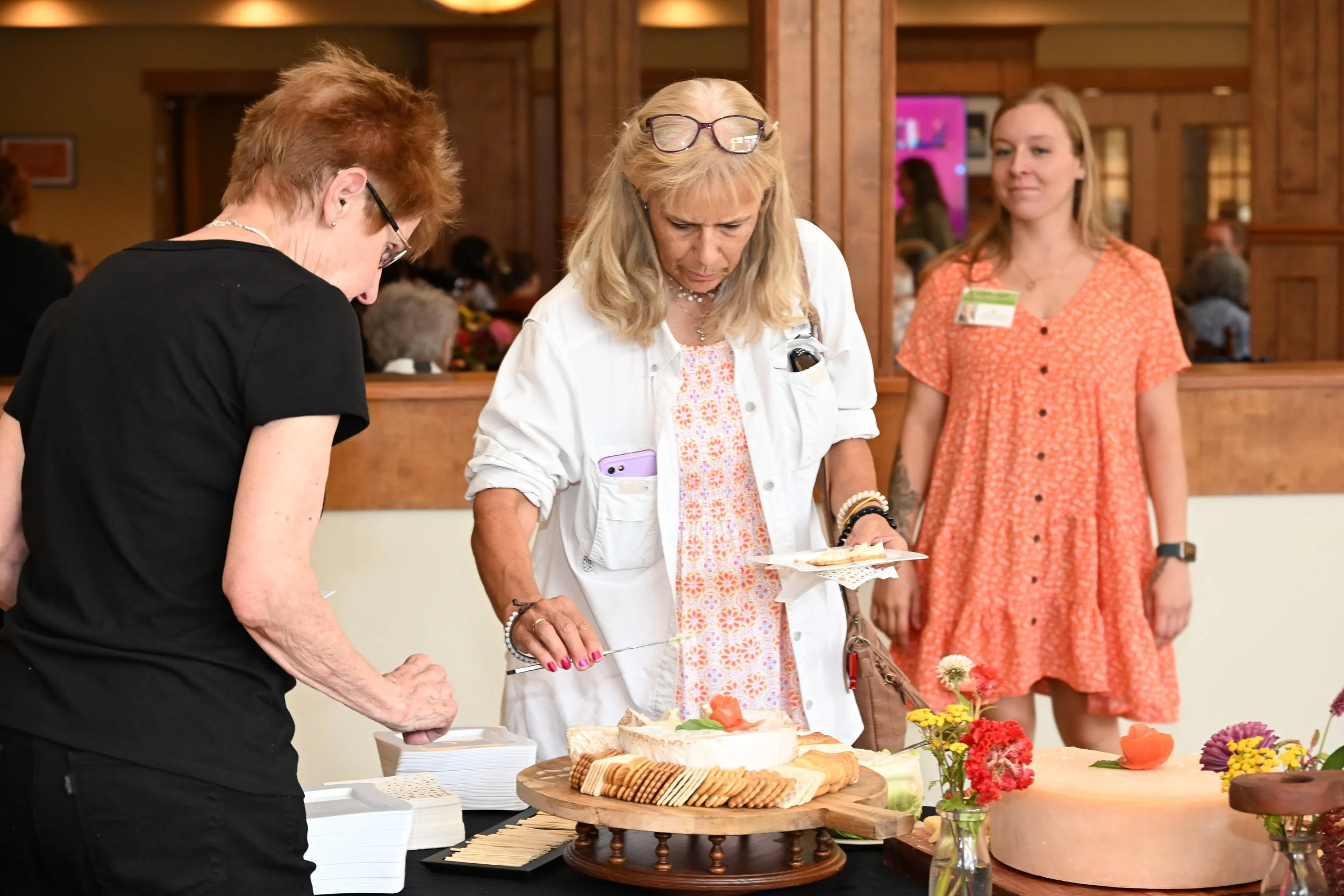
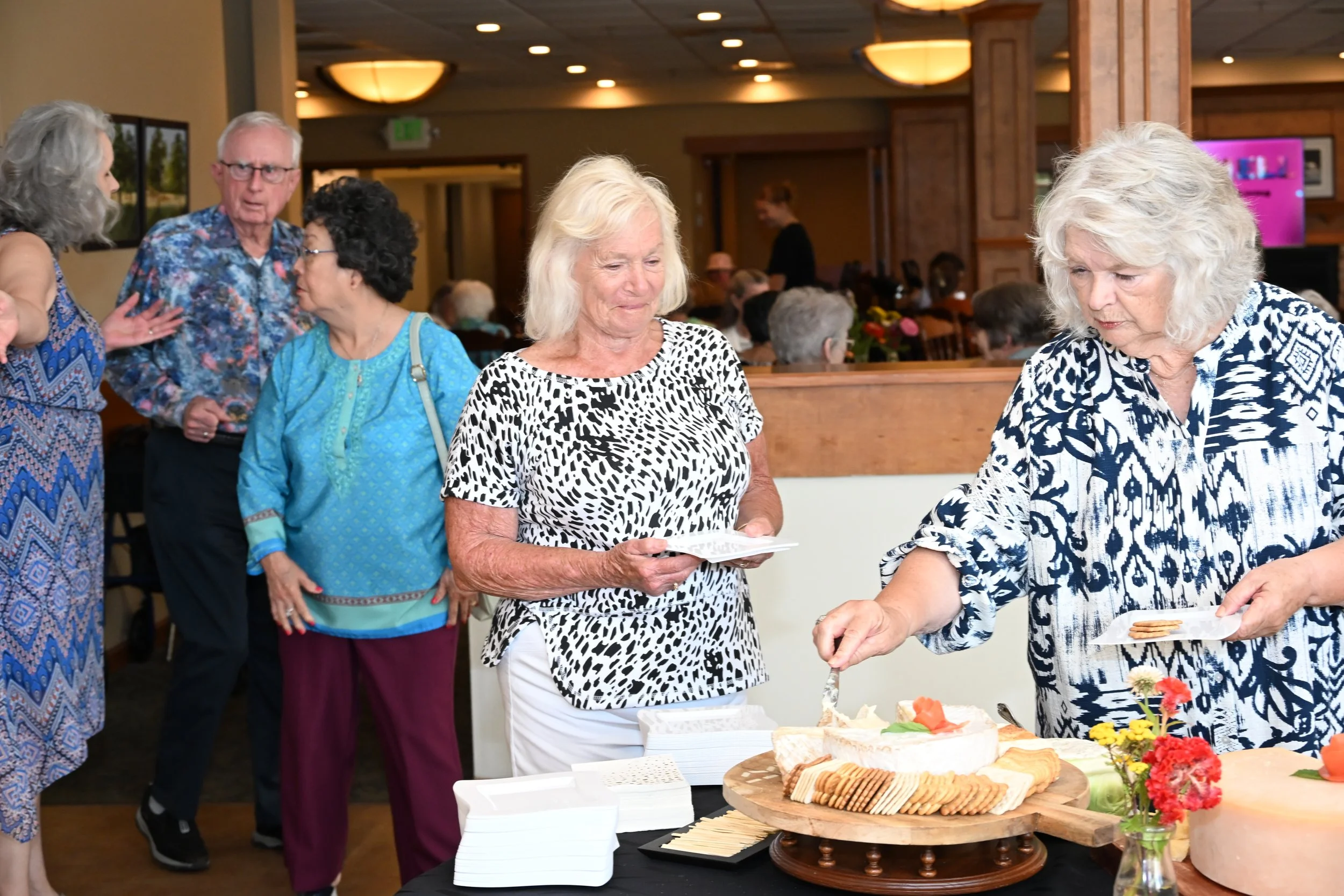
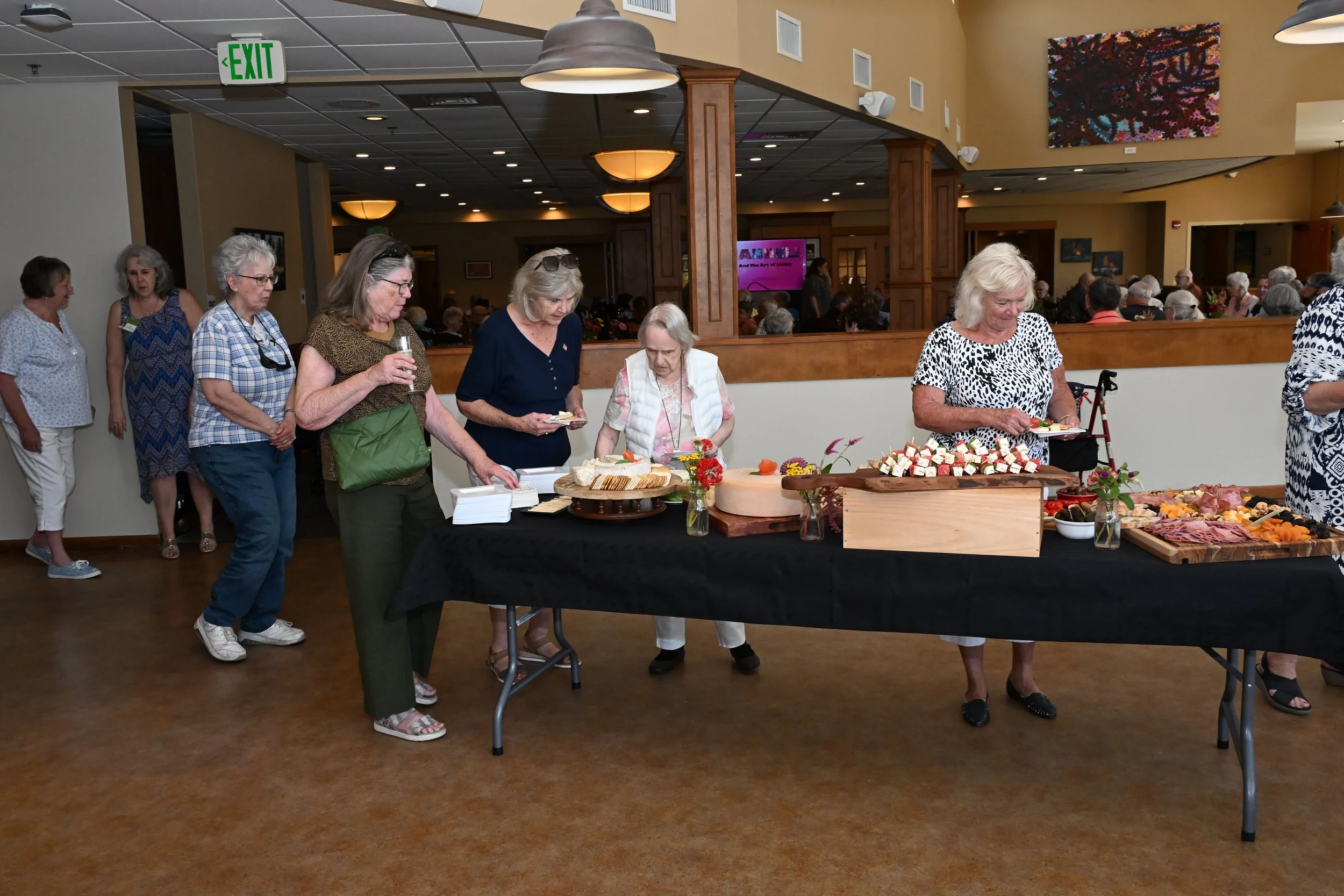
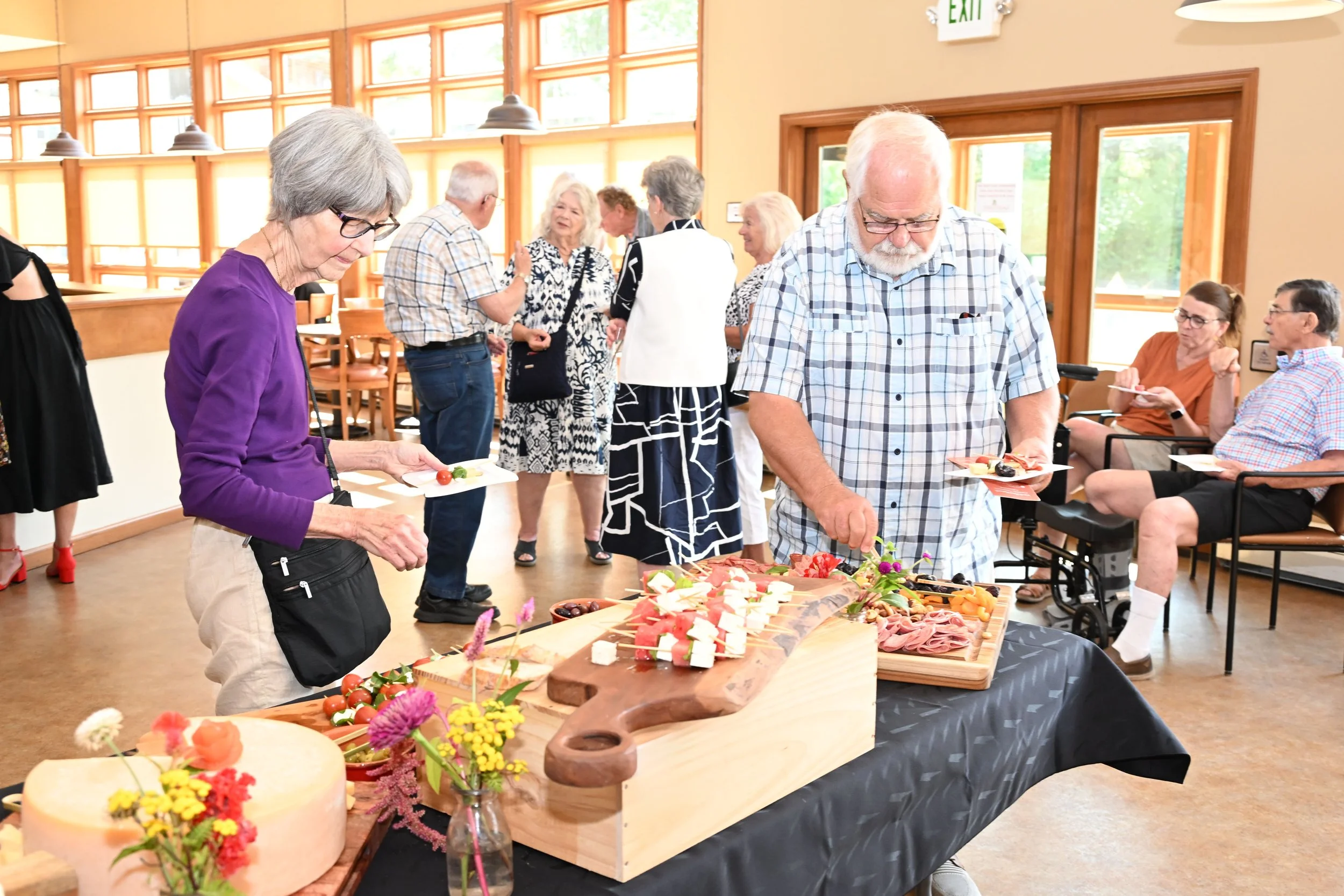
Guests enjoyed an impressive grazing table prepared by Frank, our Executive Chef, overflowing with meats, cheeses, fresh fruits, crackers, dips, and colorful garnishes — a feast as thoughtfully arranged as the art on the walls. Laughter and conversation filled the air as attendees moved from table to table, taking in the details of the exhibit while reconnecting with friends old and new.

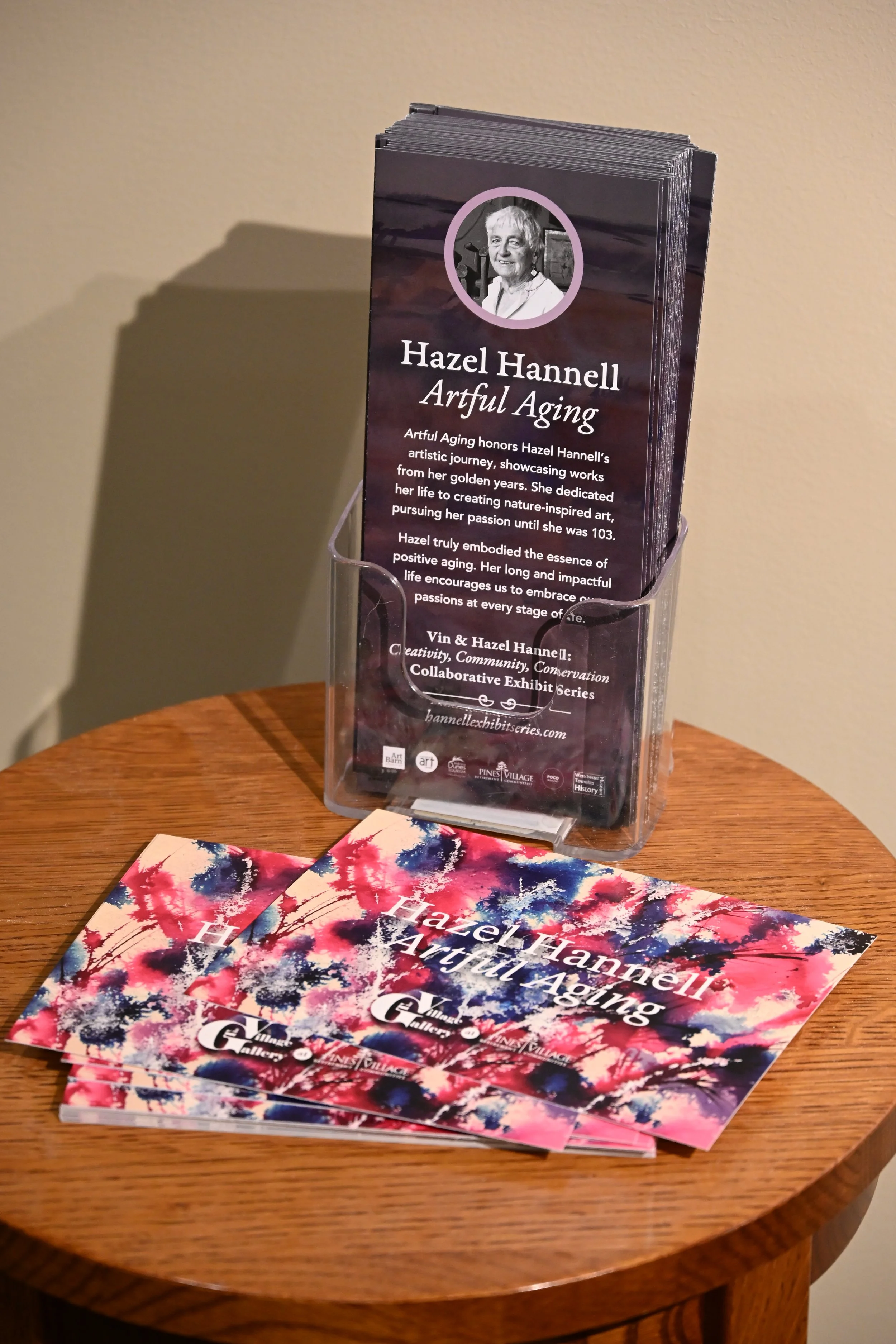
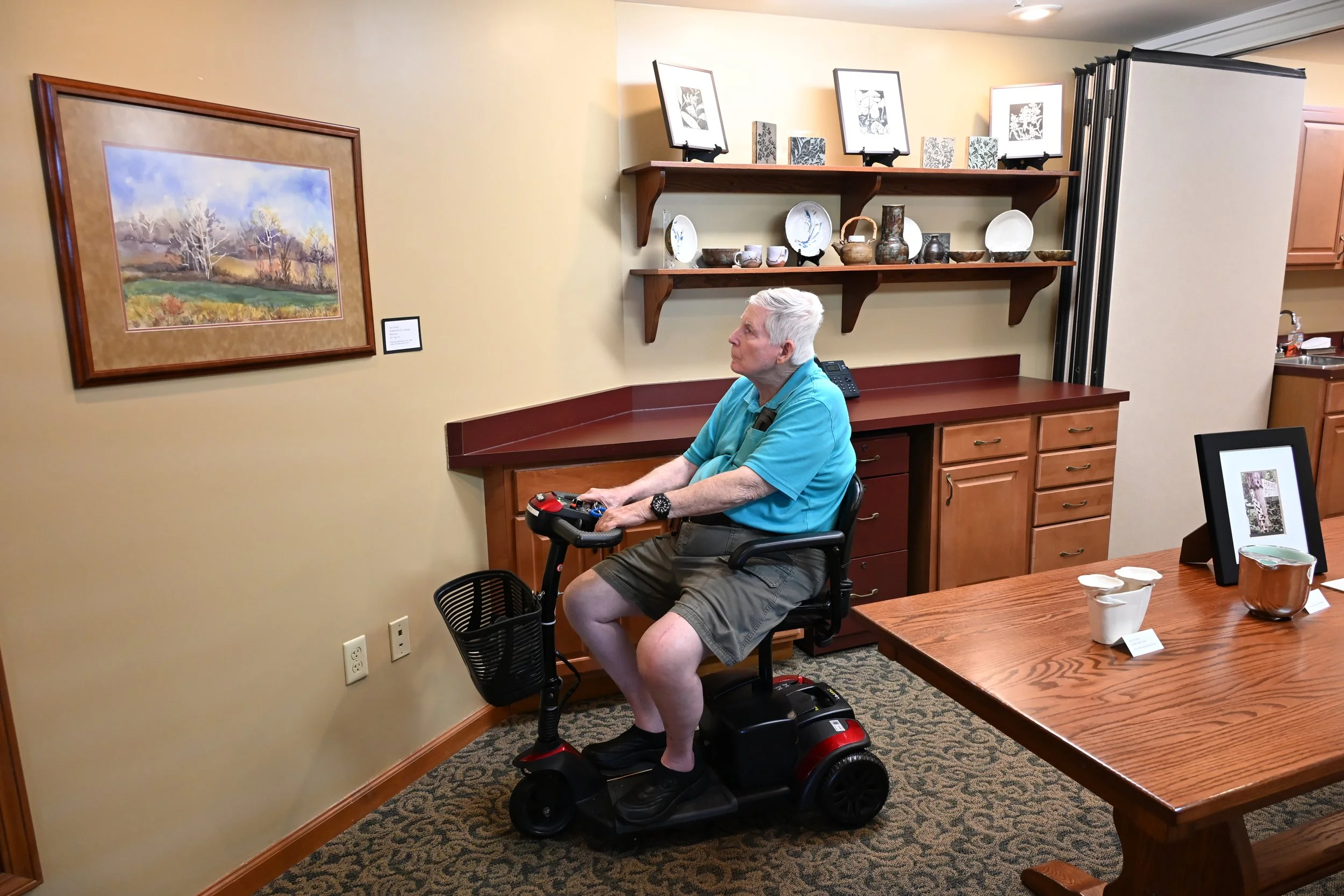
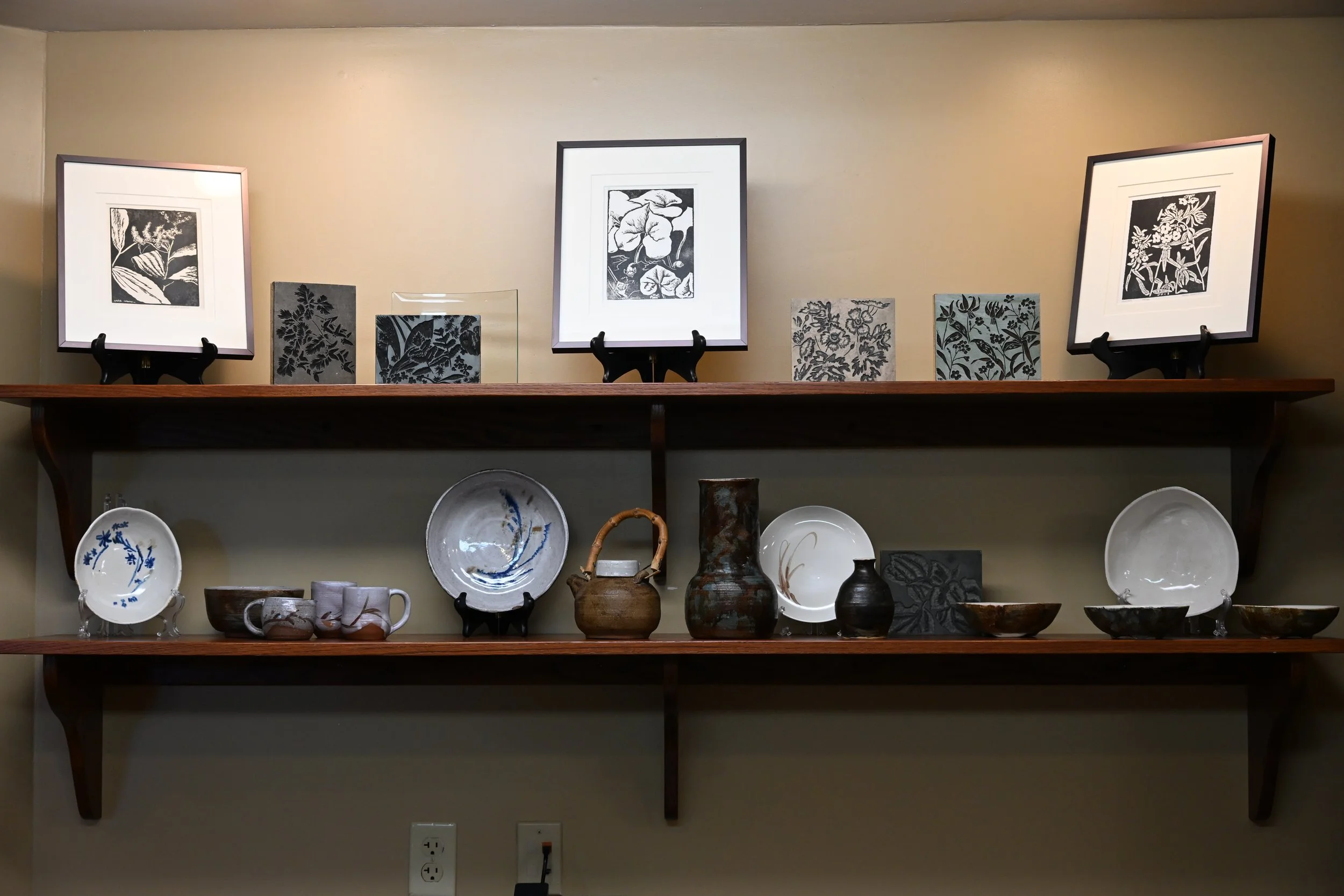
If you missed the reception, there’s still time to experience Hazel Hannell’s work in person. The exhibit will remain on display at The Village Gallery through October 2, 2025. Whether you’re a longtime admirer or discovering her art for the first time, we invite you to step into her world of bold colors, nature-inspired themes, and community spirit.

This program is part of the Vin & Hazel Hannell: Creativity, Community, Conservation series, presented in partnership with Art Barn School of Art, Chesterton Art Center, Indiana Dunes Tourism, Porter County Museum, and Westchester Township History Museum (Westchester Public Library).

📷: Albert Photographic

Pines Village’s Connection to Hazel Hannell

At Pines Village, our mission is to celebrate life by enriching the lives of older adults. Everything we do is guided by the residents. Our spaces reflect their lives, values, and sense of home. That’s why our halls showcase fine art by regional artists like Jan Sullivan, Margaret Burroughs, Harriet Rex Smith, Russell Nelson, and Hazel and Vaino (Vin) Hannell.

Our connection to Hazel Hannell began with our first administrator, Margaret M. Rivers, a devoted supporter of the arts who believed creativity could enrich everyday life. Over time, several of Hazel’s paintings made their way into our community. Some were passed down by residents and displayed throughout the building. These pieces became gathering points where residents stopped to admire and share stories.

Some had known Hazel personally. Some still treasured the small clay animals she made for children and the mini mugs she’d make as gifts for newborns. Others remembered her digging red clay from her yard to craft pottery. Her spirited life and creative energy left a lasting impression.

Former CEO Laurie Mullet’s vision helped grow Pines Village’s art collection and deepen our ties to the local arts community. Under her leadership, we established the most extensive public collection of Hazel Hannell’s work. Today, it serves as a daily reminder of the creativity and purpose that can flourish at any age.

We invite you to join us in celebrating Hazel’s life, her legacy, and the enduring power of artful aging.