
Senior Living: Heart-Healthy Tips for a Happy and Healthy Life

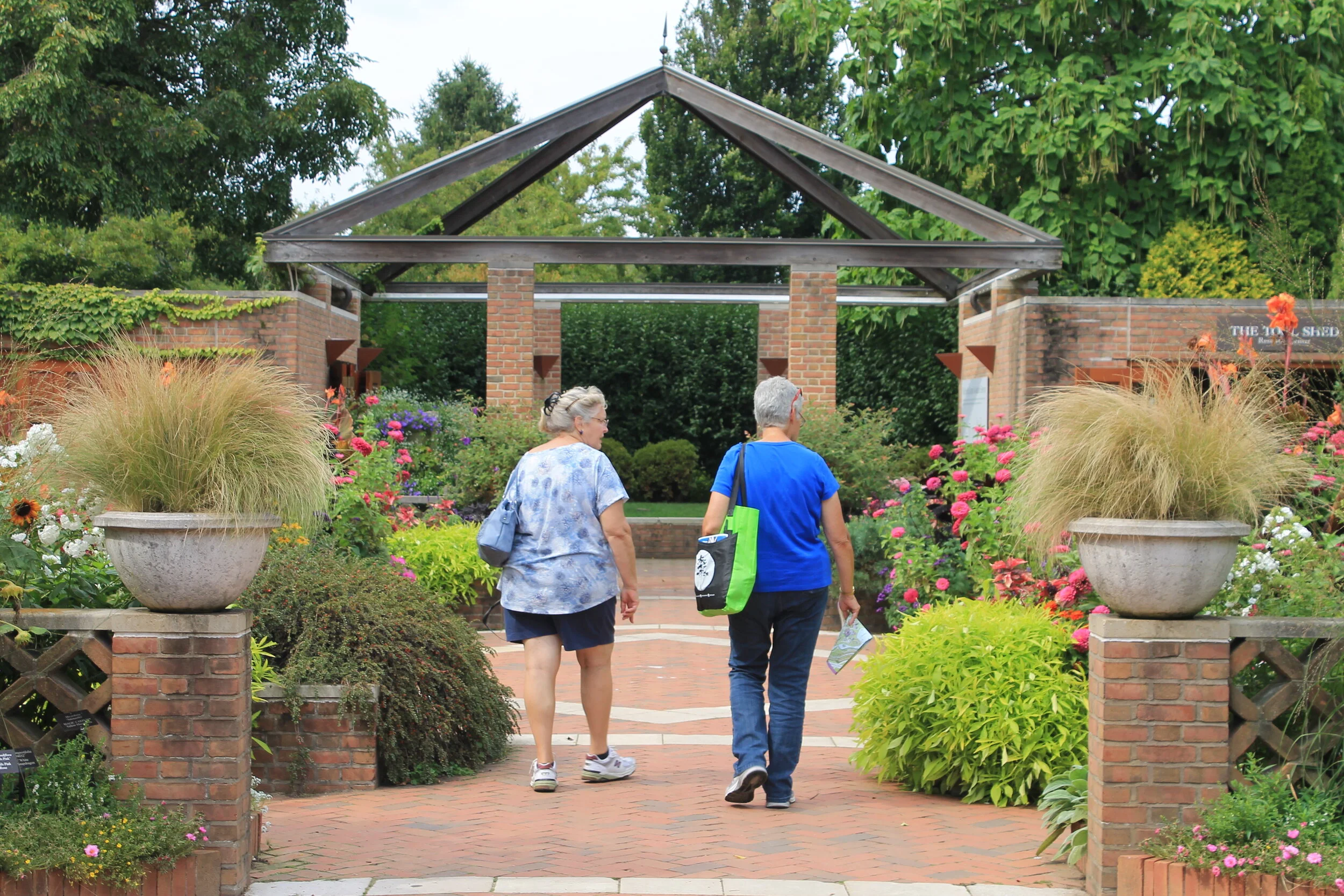
February is not just about Valentine's Day; it is also American Heart Month when we focus on cardiovascular health. As we age, taking care of our hearts and prioritizing heart health becomes even more crucial. In this article, we will explore heart-healthy tips specifically tailored for seniors. Making small changes to our lifestyle and habits can protect our hearts, prevent heart disease, and enjoy a happy and healthy life.
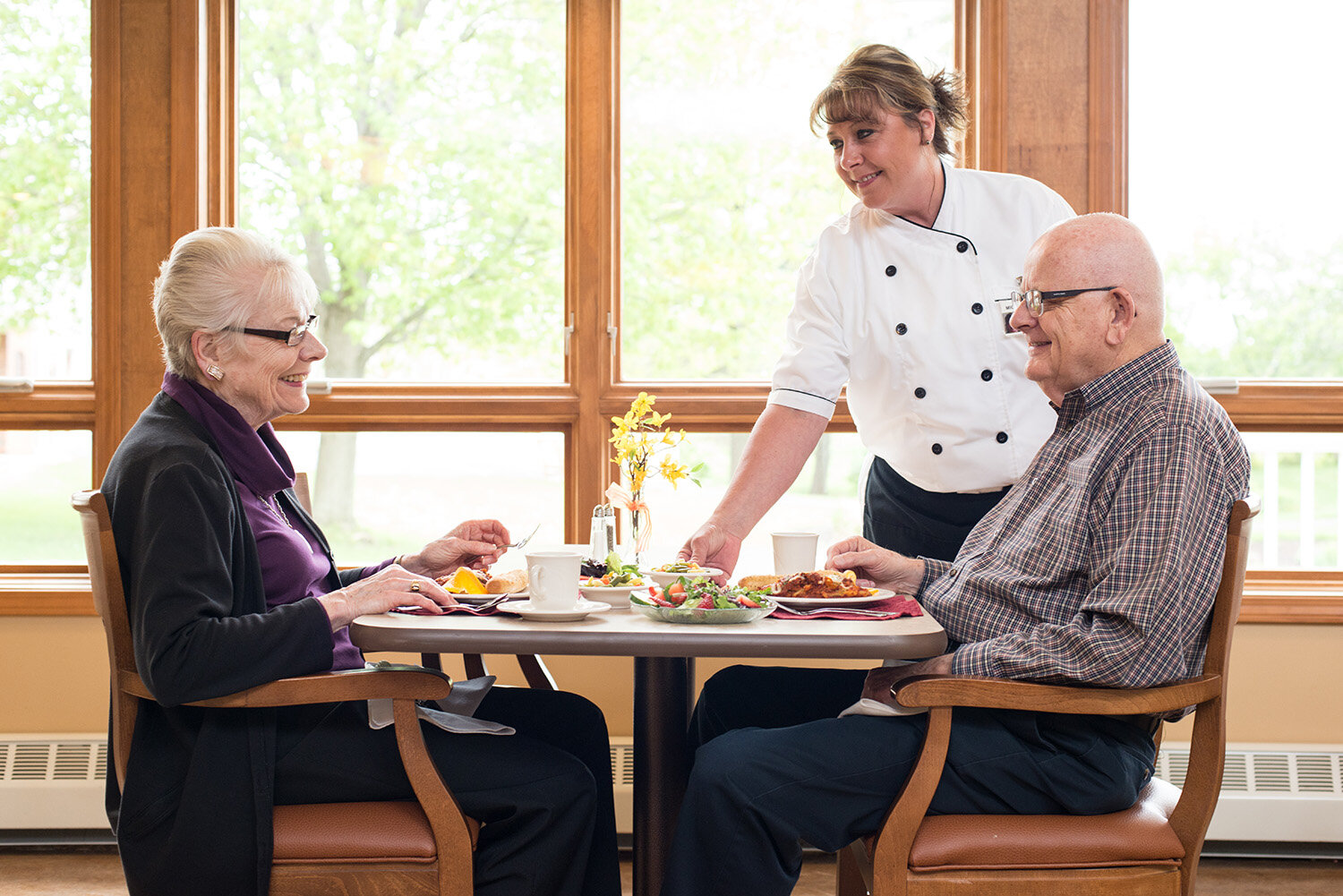
A senior couple happily shares a healthy meal, including salad, orange juice, and tea, together in their home.

Understanding Heart Disease and its Risk Factors

Heart disease is the leading cause of death for both men and women, and it can occur at any age. However, the risk of developing heart disease increases as we get older. Multiple factors contribute to the development of heart disease, including health conditions, lifestyle choices, age, and family history. According to the Centers for Disease Control and Prevention (CDC), about half of all Americans have at least one of the critical risk factors for heart disease - high blood pressure, high cholesterol, and smoking.

Dietary Choices for a Healthy Heart

Eating a heart-healthy diet is crucial for maintaining good cardiovascular health. As seniors, we should focus on consuming foods high in fiber and low in saturated fats, trans fats, and cholesterol. Fresh fruits and vegetables should form a significant portion of our diet, while processed foods should be limited. Additionally, reducing salt intake can help lower blood pressure and decrease the risk of heart disease.

The Importance of Physical Activity

Regular physical activity is essential for maintaining a healthy heart. Engaging in moderate-intensity exercises, such as brisk walking or bicycling, for at least two hours and 30 minutes weekly can significantly reduce the risk of heart disease. Exercise strengthens the heart, improves blood circulation, and helps manage weight, cholesterol levels, and diabetes.

Limiting Alcohol Consumption and Tobacco Use

Excessive alcohol consumption and tobacco use are detrimental to heart health. Seniors should limit their alcohol intake to no more than two drinks per day for men and one drink per day for women. Quitting smoking is equally essential, as it can significantly reduce the risk of heart disease. If you need help stopping smoking, consult with your doctor for resources and support.

Managing Blood Pressure and Cholesterol Levels

High blood pressure and unhealthy blood cholesterol levels are major risk factors for heart disease. Seniors should monitor their blood pressure and cholesterol levels regularly. Lifestyle changes such as eating a heart-healthy diet, engaging in physical activity, and quitting smoking can help maintain normal blood pressure and cholesterol levels.

Maintaining a Healthy Weight

Maintaining a healthy weight is crucial for heart health. Being overweight or obese can increase the risk of heart disease and put extra stress on the heart and blood vessels. Seniors should strive to maintain a healthy weight through a combination of a balanced diet and regular exercise.

The Role of Sleep in Heart Health

Quality sleep is essential for overall health, including heart health. Poor sleep can lead to various negative changes in the body, including a weakened immune system, slower reactions, and an increased risk of heart disease. Seniors should aim for six to eight hours of sleep each night and establish a regular sleep routine.

The Mediterranean Diet: A Heart-Healthy Approach

The Mediterranean diet has been widely recognized as a heart-healthy dietary approach. It includes foods such as nuts, olive oil, white meat like chicken or fish, vegetables, and whole grains. This diet is not a commercial fad but a recommended lifestyle choice that promotes better heart health and lower rates of cardiovascular problems.

Stress Management for a Healthy Heart

Managing stress is vital for maintaining a healthy heart. While it may be challenging to eliminate stress, finding ways to reduce stress levels can significantly benefit heart health. Engaging in activities such as meditation, deep breathing exercises, and hobbies can help relieve stress and promote overall well-being.

Regular Health Check-ups

Regular health check-ups are essential for monitoring heart health. Seniors should schedule routine appointments with their healthcare providers to monitor weight, blood pressure, and cholesterol levels. These check-ups allow for early detection of any potential issues and provide an opportunity to discuss lifestyle modifications and treatment options.

The Importance of Social Connections

Maintaining social connections and engaging in meaningful relationships have been shown to impact heart health positively. Seniors should prioritize spending time with loved ones, participating in social activities, and joining community groups or clubs. These social connections provide emotional support, reduce stress, and promote a sense of well-being.

Additionally, living in a senior living community can make socialization with peers much easier to engage in regularly through activities, events, and committees.

Conclusion

Taking care of our heart is paramount, especially as seniors. By adopting a heart-healthy lifestyle that includes a balanced diet, regular exercise, stress management, and regular health check-ups, we can reduce the risk of heart disease and enjoy a happy and healthy life. Remember, it's never too late to prioritize your heart health and make positive changes. Start today and embrace a heart-healthy lifestyle for a brighter tomorrow.

"A healthy heart is the key to a vibrant and fulfilling life. Take care of it, and it will take care of you." - Unknown

If you or your senior loved one is ready to make the move to a senior living community, consider choosing Pines Village Retirement Communities. At Pines Village, we celebrate life by enriching the lives of older adults. We pride ourselves on our culture, which is driven by a passion for serving the residents, visitors, and staff of Pines Village as well as the greater Valparaiso community. Explore our senior apartment availability, learn more about our assisted living options, or contact us with any questions today!

The Benefits of Technology for Seniors

Over the last few decades, technology has become increasingly important in our world. Today, it is a central part of our everyday lives and almost everything we do. While it played a vital role before, the COVID-19 pandemic showed how truly essential technology is to us. This is especially true for older adults who remained at home to stay safe during the pandemic, and their tech consumption skyrocketed.

The National Council on Aging (NCOA)’s Apps and Technologies To Make Communication More Accessible for Older Adults article features one of the most comprehensive lists of applications and technologies available to help people navigate each of these challenges and stay connected to friends and family.

In this article, we’ll focus on some of the main benefits of technology for seniors and explore some of the best tech devices for older adults. The first benefit of technology is telehealth.

Telehealth

Telehealth—also referred to as telemedicine—is a type of healthcare that allows you to receive care from your doctor without an in-person visit. Telehealth includes several different options, such as live video or phone calls, chats and text messages, and even remote monitoring. There are many telehealth advantages for all patients, but these benefits are especially relevant for seniors when talking to their doctor from their own home:

  • Comfort - Telehealth allows seniors to talk to their doctor in the comfort of their own homes, which can help them remain calm during the visit, clearly communicate their concerns, and be less overwhelmed not having to go to an office. You can also have family members there to join the conversation with your doctor.

  • Lower Cost - Telehealth also usually costs less than an in-person doctor visit, especially if you go to the emergency room. One study found that telehealth services cost an average of $50 per visit, while in-person care could cost as much as $175.

  • No Transportation Required - Telehealth also means that seniors don’t have to drive to their appointments or find other transportation to get there. This is especially helpful if an older adult is no longer able to drive and relies on others to get around. It’s also beneficial because it means less time spent traveling and waiting in the office and more time spent at home.

  • Fewer ER Visits - Telehealth also helps to reduce the frequency of emergency room visits for seniors, who, when their doctor is not available on the weekends, normally end up in the ER if they need medical attention. With telehealth, they can talk to a medical professional and determine the severity of the issue, whether an ambulance is needed, the next steps, and more.

  • Self-Care - Telehealth appointments also allow your doctor to give you instructions on how to care for yourself in your own home instead of receiving a long list of instructions at the hospital, then having to figure out the best way to complete them on your own.

Meeting with your doctor via video is not the only important aspect of telehealth. The advancements in medical technology have also made it possible for more individuals to avoid hospitalization and have critical tests, procedures, and examinations done in the comfort of their own homes. 

Like the advantages listed above, in-home medical care allows patients to be comfortable and safe by receiving the care they need in their own home, cuts the high costs often associated with going to the hospital, and can allow medical professionals to discuss any potential hazards or obstacles in your home.

Socialization

Another major benefit of technology for seniors is that it allows them to socialize with others and stay connected. This has been crucial during the COVID-19 pandemic as older adults have had to stay at home to avoid getting sick, often with the consequence of not seeing many other people and developing feelings of loneliness. During this time, significantly more seniors bought a smartphone or Smart TV to help them stay connected and entertained while at home.

However, technology and the internet have made it possible to stay connected, which studies have shown raises levels of life satisfaction, social support, purpose in life, and social capital, while lowering feelings of loneliness and depression in seniors. While being together in person can’t be replicated, here are some of the best ways technology helps older adults stay social:

  • Using FaceTime or other video call applications to talk to friends and loved ones

  • Group texts and messages where everyone can communicate with one another

  • Watch party apps that allow you to watch your favorite movies with your favorite people

  • Social media platforms where you can see life updates from others, post pictures and videos, connect with old friends, and more

  • Apps like Nextdoor where you can see what’s happening in your neighborhood and connect with the people who live near you

These are just a few of the many different ways to stay connected and socialize with others through technology. No matter how you use technology to stay in touch with your loved ones, though, it has major benefits on your social life and your overall well-being.

Assistance

Technology is also incredibly beneficial for seniors because it can provide assistance to them during their daily lives. This can help older adults do things they might not be able to do on their own and stay on top of important tasks. Here are some of the top uses of technology that help provide assistance to seniors:

  • Using smart home devices—like the Amazon Echo Show—to set reminders for things like taking medication

  • Delivery applications such as Instacart, Doordash, and Amazon to order food, groceries, and other necessities

  • Smartwatches to track your health, receive notifications, and call for help in case of an emergency. There are also specific medical alert systems you can wear to get 24/7 help should you fall or have any health issues

  • Home security systems that ensure you and your house are safe

  • Robotic vacuums to help clean your home

  • Ride applications to get you to the places you need to be, like Uber and Lyft

Now that we’ve explained how useful technology can be in assisting seniors, here are our top suggestions for tech devices to do just that.

Best Tech Suggestions for Seniors

  • Amazon Echo Show - The Amazon Echo Show is one of the best smart home devices on the market and includes an easy-to-use touch screen, in addition to Amazon Alexa voice commands. It also allows family members to check in on their senior loved ones via Amazon Alexa Care Hub.

  • iRobot Roomba - The iRobot Roomba can help you keep your space tidy without lifting a finger, giving you more time to enjoy the things you love and less hassle cleaning.

  • SimpliSafe Home Security System - SimpliSafe home security systems help keep your home safe with motion sensors, cameras, door and window sensors, and Amazon Alexa capabilities.

  • Apple Watch Series 4 or later - The Apple Watch acts as both a smartwatch and an emergency contact system should something happen. Series 4 devices and later also include fall detection, so you can quickly get help in case of an accident.

These are some of the best pieces of technology for seniors, but there are many others out there on the market as well. No matter what tech devices you choose, they can provide a wide range of benefits for you or your senior loved one. Now more than ever, it’s important to have access to the things we need—like healthcare, contact with loved ones, and assistance in our lives—and technology is making it possible.

Pines Village Retirement Communities, Inc. is a nonprofit senior living community in Valparaiso, Indiana, with two campuses: Pines Village and Meridian Woods. The Pines Village campus offers pet-friendly independent living apartments with the option to add assistive services à la carte or in packages. The Meridian Woods campus consists of maintenance-free paired homes and Campbell St. Cafe, which, in addition to being a restaurant open to the public, hosts events and acts as a meeting space for residents and local nonprofits. 

At Pines Village, we celebrate life by enriching the lives of older adults. We pride ourselves on our culture, which is driven by a passion for serving the residents, visitors, and staff of Pines Village as well as the greater Valparaiso community. Explore our senior apartment availability, learn more about our assisted living options, or contact us with any questions today!



10 Healthy Tips for Seniors During the Holiday Season

The holiday season is a time of joy and celebration, but it can also bring about stress and challenges, especially for seniors. As we gather with our loved ones and indulge in delicious meals, it's important to prioritize the health and well-being of our older family members. In this article, we will explore some valuable tips to help seniors stay healthy, manage stress, and experience the holiday season to the fullest.

1. Prioritize Healthy Choices

During the holidays, it's easy to be tempted by rich and indulgent meals. While it's important to savor the flavors of the season, it's equally crucial to make healthy choices. Encourage seniors to plan their meals with consideration for other holiday events. For instance, if a big dinner is planned for New Year's Eve, opt for a lighter lunch of salad or soup. Moderation is key – you don't want to deny anyone their favorite holiday treats, but you also want to ensure they don't overindulge.

Staying hydrated is another vital aspect of staying healthy during the holidays. Seniors, in particular, should drink plenty of fluids as dehydration can lead to hospitalization. Make it easy for them to stay hydrated by having water easily accessible at home and keeping bottled water in their bag when running errands.

2. Follow Dietary Restrictions

Some seniors have dietary restrictions that they must adhere to, such as a low-sodium diet. It can be challenging to stick to these diets during busy and stressful times, especially if there aren't many healthy options available. Stress often leads to overeating and deviating from established dietary guidelines. To make it easier for seniors to follow their dietary restrictions, keep healthy options like fresh-cut vegetables and fruits readily available.

3. Moderate Alcohol Consumption

While it's common to celebrate with alcoholic beverages during the holidays, it's essential to remind seniors to drink in moderation. Drinking excessively can impair bodily functions, and for some seniors, alcohol consumption can have adverse side effects when combined with certain medications. Consider offering fun and alcohol-free drinks so everyone can enjoy the festivities without compromising their health.

4. Stay Active

The holiday season often coincides with cold weather and snow in many parts of the country. However, it's crucial for seniors to maintain their exercise routines. Encourage them to bundle up and go for walks around the block if the sidewalks are dry. If the weather is not suitable for outdoor activities, suggest a trip to an indoor shopping mall where they can walk a few laps while window-shopping. Staying active not only helps with physical health but also contributes to mental well-being.

5. Manage Stress and Rest

The holidays can be a stressful time for everyone, including seniors. It's important to prioritize self-care and stress management during this season. Encourage them to take breaks and rest when needed. If you're planning a full-day outing, make sure to include time for relaxation or a short nap. Practicing mindfulness techniques like deep breathing, meditation, or simply enjoying a cup of tea can help alleviate stress and promote a sense of calm.

6. Embrace New Traditions and Adaptations

As time goes on, traditions and activities may change due to various factors. Seniors may feel a sense of loss or sadness when beloved traditions are altered or discontinued. Help them embrace new traditions and find joy in the present moment. If an older relative typically hosts a big holiday meal but is unable to do so anymore, consider passing the torch to younger family members. Alternatively, suggest that younger family members volunteer to clean or prepare part of the meal to alleviate stress and make the holiday celebration a collaborative effort.

7. Combat Loneliness and Isolation

The holidays can be particularly challenging for seniors who may feel a sense of loneliness or isolation. They may miss friends or family members who have passed away or moved away. To combat these feelings, it's important to prioritize social interaction and engagement. Check in with older loved ones early in the season to understand their expectations and feelings. Plan family activities that include them and make them feel valued and included. Encourage them to join local community organizations or engage in hobbies that interest them. Staying connected and active within their communities can help alleviate feelings of abandonment and enhance overall mental well-being.

8. Ensure a Safe and Accessible Environment

If older relatives are visiting your home for the holidays, it's crucial to ensure that your home is safe and accessible for them. Be mindful of any potential hazards, such as area rugs that could cause trips or falls. Consider accommodating them on the first floor if possible, or provide a room close to the bathroom to minimize discomfort. Install nightlights in hallways to prevent accidents in the dark. By creating a safe and accessible environment, you can help seniors feel more at ease and enjoy the holiday season without unnecessary worries.

9. Seek Professional Help if Needed

If you've tried various strategies to improve the mental well-being of your senior loved one during the holidays, but they still exhibit signs of depression or anxiety, it may be necessary to seek professional help. Don't hesitate to explore mental health resources and services available in your area. Professional counseling can provide valuable support and guidance for seniors who may be struggling emotionally during this time.

10. The Benefits of Senior Living Communities

Consider the benefits of senior living communities for older adults who may be living alone. These communities offer opportunities for socialization and engagement with peers. They provide a safe and supportive environment where seniors can connect with others who share similar experiences and interests. Senior living communities often organize regular social activities and events, which can greatly enhance mental well-being, not just during the holidays but throughout the year. If you or your senior loved one is considering a move to a retirement community, explore options that align with their preferences and needs.

In conclusion, taking care of the mental and physical well-being of seniors during the holidays is crucial. By adopting healthy habits, managing stress, embracing new traditions, and ensuring social engagement, seniors can enjoy this special time of year to the fullest. Remember, small gestures and acts of kindness can go a long way in making seniors feel loved, valued, and included. Let's make the holidays a joyful and fulfilling experience for every generation in our families.

Pines Village Retirement Communities, Inc. is a nonprofit senior living community in Valparaiso, Indiana, with two campuses: Pines Village and Meridian Woods. The Pines Village campus offers pet-friendly independent living apartments with the option to add assistive services à la carte or in packages. The Meridian Woods campus consists of maintenance-free paired homes and the Meridian Woods Community Center, which hosts events and acts as a meeting space for residents and local nonprofits. 

At Pines Village, we celebrate life by enriching the lives of older adults. We pride ourselves on our culture, which is driven by a passion for serving the residents, visitors, and staff of Pines Village as well as the greater Valparaiso community. Explore our senior apartment availability, learn more about our assisted living options, or contact us with any questions today!

How to Cope With Bereavement Overload

As you get older, it’s natural to experience the loss of your loved ones. It’s a natural part of life. However, when you experience multiple losses in quick succession, it can be overwhelming. Processing multiple losses at once isn’t easy and can lead to bereavement overload.

To help you understand the symptoms of bereavement overload and learn healthy coping strategies to help you live with your loss, we’ve outlined a full guide on the subject below.

What Are The Effects of Bereavement Overload?

When you experience bereavement overload, it could result in a number of clear symptoms. For example, you might find that you feel numb, and are unable to express your emotions. This can cause frustration and make you feel all the more overwhelmed.

Additionally, you might find yourself avoiding places and people that remind you of your loss. When it feels like your old memories trigger too much emotion to handle, you might isolate yourself from them, which could then prolong your grief.

It’s also very common to experience guilt after experiencing the loss of your loved ones. You might think about what you could have done differently to prevent the loss or think about how you took your lost loved ones for granted. 

If you’re experiencing any number of these symptoms following a loss, it’s important to learn to cope in healthy ways. For example, you may want to make a point to socialize with others instead of isolating yourself.

Helpful Coping Strategies

While grief can be daunting, healthy coping mechanisms can help you live through it. It isn’t always going to be easy to prioritize your mental health, but it’s necessary to do. Some strategies that will help you live with your loss include:

Talking to a loved one: It’s important to have people you can trust and talk to about your experience. Sometimes, just realizing that you aren’t alone is enough to help you live with your grief. 

Journaling: Similarly, a journal is a great outlet where you can articulate how you feel about your loss. Maybe you record old memories that you keep playing in your head. Maybe you write about how unfair it feels that you lost your loved ones. Once you record your feelings onto paper, it helps you accept the reality of what has happened.

Practice routines: In the beginning of experiencing an overwhelming loss, you might experience a huge loss of motivation. This is why routines are so important. Just having a routine of showering, eating and sleeping at the right times will help you stay grounded and healthy. In contrast, if you let your routines fall apart, it could cause you to feel even more overwhelmed.
As you cope with your loss, make sure to take care of your health in general. Sometimes simply feeding yourself the right meals and taking care of your body can go a long way toward keeping you grounded emotionally.

Final Thoughts

Even with the above strategies, your grieving process isn’t guaranteed to be easy. Losing a loved one never is. 

The truth is, your entire life changes when you experience the loss of someone important to you. You might experience grief for years down the road. But healthy self-care strategies can help you continue to move on with your life.


Pines Village Retirement Communities, Inc. is a nonprofit senior living community in Valparaiso, Indiana, with two campuses: Pines Village and Meridian Woods. The Pines Village campus offers pet-friendly independent living apartments with the option to add assistive services à la carte or in packages. The Meridian Woods campus consists of maintenance-free paired homes and Campbell St. Cafe, which, in addition to being a restaurant open to the public, hosts events and acts as a meeting space for residents and local nonprofits. 

At Pines Village, we celebrate life by enriching the lives of older adults. We pride ourselves on our culture, which is driven by a passion for serving the residents, visitors, and staff of Pines Village as well as the greater Valparaiso community. Explore our senior apartment availability, learn more about our assisted living options, or contact us with any questions today.

bereavement-overload.png

A Guide for Transitioning to Senior Living

If you or a loved one has made the decision to transition to senior living, you’ve already taken an important step in improving safety, simplicity, and overall health in your life. There are several steps to complete before and during this transition, so taking them one at a time and doing your research can considerably reduce the stress of the process. There are plenty of helpful online resources on this subject, but this brief guide to transitioning to senior living can help you get started on understanding the main steps involved.

senior-people-confronting-alzheimer-disease-2.jpg

Downsizing

Whether you currently live in a condo or house, it’s likely that you’ll need to downsize somewhat so that your possessions will fit into your new home. Begin sorting through your belongings as early as possible and allow adequate time to do so. Although this process can be emotionally challenging, it can also be a liberating way to simplify your life. Consider offering items of sentimental value to loved ones. Keep comforting things you use and treasure on a daily basis, such as a favorite chair or teapot. You can find more downsizing tips here.

Selling Your Home

Selling homes was a laborious task before the arrival of the internet, but the process is now more streamlined. Start by researching realtors near you online; schedule interviews with likely matches before choosing one. Your realtor will post photos of your home on multiple real estate websites, reaching more prospective buyers. Important documents can be signed electronically from the comfort of your home. Create a start-to-finish timeline for this process and others, breaking each moving-related project into smaller ones so you can focus on one step at a time. 

Moving

If your loved ones are unable to assist you with moving, consider hiring professional movers from companies that specialize in senior moves. The National Association of Senior and Specialty Move Managers (NASMM) is the leading membership organization for Move Managers. Be sure to do your own research as well: check the company’s Better Business Bureau (BBB) score as well as customer reviews on apps like Angi and Yelp. Legitimate movers will have a Department of Transportation (DOT) number, a website, and a physical address listed on the website. They should also be licensed, bonded, and insured, and employees should be background-checked.

Choose the moving company and services that best fit your budget and needs. Ask logistical questions upfront, such as how staff will communicate with you and how the process will work. If you purchase additional insurance, clarify which items are covered and the dollar amount of coverage for each. To minimize the cost and risk of professional packing services, consider packing as many small, breakable, or irreplaceable items yourself as you can.

If possible, ask a loved one to accompany you on moving day to make sure that everything goes smoothly. If you’ll be coordinating the moving day on your own, be sure that movers have an itemized list of your possessions, which should have corresponding numbered stickers. Communicate with the movers as much as possible the day of the move while still allowing them to get to work. Check that they have the correct new address before they begin making trips.

Getting Acclimated

Your first few days and weeks in your new senior living home and community can seem overwhelming at first, but you can take steps to make this process easier and more comfortable. One thing to consider is to ask friends, family, or a move management company to completely set up your apartment so it’s ready to live in the day you move in. This can make things a lot less overwhelming. Know what will help you the most, whether that’s joining communal activities right away or taking time to recover from the move. It can help to put your favorite wall art and other decor out first, have a celebratory meal with family or friends, or have a loved one help you unpack. Then, start exploring community amenities and joining offered activities.

Enjoying The Benefits Of Senior Living

Congratulations! The most difficult aspects of transitioning to senior living are over, and it’s time to start enjoying your new community. Many older adults don’t realize that there are actually many significant benefits to this lifestyle. These include:

  • Eliminating difficult or unpleasant chores. Maintenance and other staff will now take care of many strenuous or mundane tasks for you, such as landscaping, building and appliance maintenance, cleaning, cooking, and waste disposal.

  • New opportunities to socialize. Senior living communities typically offer a variety of regularly scheduled group activities. This provides an opportunity to find out what you and your neighbors may have in common and to make new friends. You may find that you actually feel more socially connected after the move than you did before it.

  • Increased safety. Spaces and surfaces in senior living campuses are designed with senior needs in mind. Many feature wider hallways, convenient handrails, bathroom modifications, and other details that will make you less likely to get injured. Some communities also offer a range of medical services depending on your needs, from simple alert devices for accidents to assisted living services for basic daily functions. These can provide considerable peace of mind to you and your loved ones.

  • Transportation services. With this amenity offered by most senior living communities, you won’t have to rely on a loved one for a ride or worry about driving yourself around safely on a daily basis. 

  • Healthier lifestyle. Having meals prepared for you can make it easier to eat a more nutritious diet, and exercise facilities will help keep you moving if you use them regularly. The activities your community offers will help maintain both physical and mental health and provide plenty of stimulation.

If you’re near Valparaiso, Indiana and ready to make the move to a senior living community, consider choosing Pines Village Retirement Communities. At Pines Village, we celebrate life by enriching the lives of older adults. We pride ourselves on our culture, which is driven by a passion for serving the residents, visitors, and staff of Pines Village as well as the greater Valparaiso community. Explore our senior apartment availability, learn more about our assisted living options, or contact us with any questions today!